
.jpeg)
China National Medical Products Administration approves selinesol for R/R DLBCL
The National Medical Products Administration of China (NMPA) has approved single-agent selinexor for the treatment of adult patients with relapsed/refractory (R/R) diffuse large B-cell lymphoma (DLBCL). The regulatory decision was supported by data from the Chinese Phase 2 SEARCH study (NCT03992339), which showed that responses as assessed by central radiological review were observed in 60 Chinese patients treated with an oral XPO1 inhibitor, meeting the study's prespecified primary endpoint of overall response rate (ORR).
DLBCL is the most common subtype of adult non-Hodgkin lymphoma (NHL), accounting for 40% of all NHL cases in China. The incidence of non-Hodgkin lymphoma is steadily increasing year by year, and patients with third-line or above relapsed or refractory disease lack effective and convenient treatments. As an XPO1 inhibitor with a novel mechanism of action, selinesol provides patients with an effective and easy-to-use new treatment option, and its oral availability may reduce hospitalization and financial burden by allowing patients to receive treatment at home. Overall, the approval of this new indication of selinesol is indeed good news for Chinese patients with relapsed/refractory DLBCL.
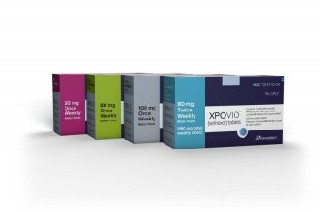
SEARCH is a single-arm, open-label, registration-bridging study designed to evaluate the efficacy and safety of selinesol in patients 18 years of age or older with pathologically confirmed de novo DLBCL or DLBCL transformed from a previously diagnosed indolent lymphoma who have received at least 2 but no more than 5 prior systemic regimens. ECOG performance status of 2 or less; estimated life expectancy at study entry of at least 3 months; and ineligible for salvage autologous stem cell transplantation with high-dose chemotherapy.
At the time of enrollment, patients received a fixed dose of oral selinesol, 60 mg administered twice every 4 weeks. Treatment was continued until disease progression or unacceptable toxicity. The primary endpoint of the study is ORR, and secondary endpoints include duration of response (DOR), disease control rate, progression-free survival (PFS), and overall survival (OS).
The results of the SEARCH study presented at the 2024 EHA Congress showed an ORR of 21.7% (95% CI, 12.1%-34.2%), including a complete response rate of 16.7%. The median DOR was 7.6 months, the median PFS was 1.9 months, and the median OS was 8.5 months. All patients experienced at least 1 treatment-emergent adverse reaction; however, these were usually manageable with appropriate supportive care and dose adjustment.
The National Medical Products Administration onceSelinesol was approved in 2021 in combination with dexamethasone for patients with relapsed/refractory multiple myeloma whose disease is refractory to at least one proteasome inhibitor, immunomodulator, and anti-CD38 monoclonal antibody.
The drug received accelerated approval from the FDA in June 2020 for the treatment of adult patients with relapsed/refractory DLBCL, unless otherwise indicated after 2 or more systemic therapies. In December 2020, the FDA also approved the drug in combination with the proteasome inhibitors bortezomib (Velcade) and dexamethasone for patients with multiple myeloma who have received at least 1 previous treatment. This first-in-class drug was initially approved in 2019 for use with dexamethasone in refractory disease, having previously been treated with at least 4 treatments.
[ 免责声明 ] 本页面内容来自公开渠道(如FDA官网、Drugs官网、原研药厂官网等),仅供持有医疗专业资质的人员用于医学药学研究参考,不构成任何治疗建议或药品推荐。所涉药品可能未在中国大陆获批上市,不适用于中国境内销售和使用。如需治疗,请咨询正规医疗机构。本站不提供药品销售或代购服务。


