
.jpeg)
Does Mobotinib (Mobosetinib) need to be taken long-term?
Mobocertinib (Mobocertinib) is a targeted drug specifically designed to treat advanced non-small cell lung cancer (NSCLC) carrying an EGFR exon 20 insertion mutation. For patients, whether long-term treatment with mobosetinib (mobosetinib) is required depends on multiple factors, including the drug's efficacy, tolerability, and disease progression.
The therapeutic goals of mobosetinib are to control tumor growth, delay disease progression, and maximize patient survival. Because non-small cell lung cancer is a chronic disease that often requires long-term management, mobosetinib (mobosetinib) often needs to be taken long-term. The purpose of long-term use is to continuously inhibit the activity of tumor cells and prevent further progression of the disease, especially for patients who are already resistant to other treatment options.
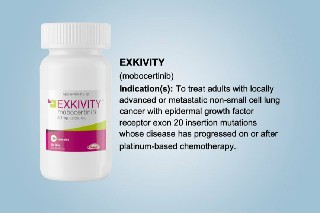
During treatment, your doctor will regularly evaluate how well Mobotinib (mobosetinib) works. If the drug is effective in controlling the tumor over long-term use and is well tolerated by the patient, long-term use is usually continued. However, if a patient experiences disease progression or severe side effects during treatment, the doctor may consider adjusting the treatment plan or discontinuing the medication. This means that long-term medication decisions are based on the individual patient profile and the dynamics of the disease.
Over time, some patients may develop resistance to mobosetinib . This resistance may lead to a gradual weakening of the drug's efficacy or even recurrence of the disease. In this case, the patient and doctor need to decide together whether to continue taking mobosetinib or to switch to another treatment. Therefore, while many patients require long-term treatment with mobosetinib, the feasibility of long-term treatment may be limited for those who develop resistance.
Long-term use of Mobotinib also requires effective management of the drug’s side effects. Althoughmobosetinibhas shown good efficacy in many patients, long-term use may be associated with some adverse reactions, such as skin reactions, gastrointestinal symptoms, liver function abnormalities, etc. Therefore, patients need regular medical examinations to monitor side effects and make medication adjustments if necessary. This monitoring and adjustment is key to long-term treatment success.
[ 免责声明 ] 本页面内容来自公开渠道(如FDA官网、Drugs官网、原研药厂官网等),仅供持有医疗专业资质的人员用于医学药学研究参考,不构成任何治疗建议或药品推荐。所涉药品可能未在中国大陆获批上市,不适用于中国境内销售和使用。如需治疗,请咨询正规医疗机构。本站不提供药品销售或代购服务。


