
.jpeg)
Dosage, dosage and adverse reactions of adagrasib
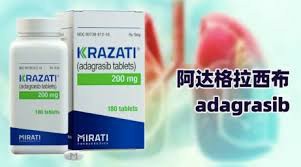
Adagrasib (Adagrasib) is indicated for the treatment of adults with locally advanced or metastatic non-small cell lung cancer with a KRAS G12C mutation as determined by a U.S. FDA-approved test who have received at least one prior systemic therapy. In June 2024, the U.S. FDA granted accelerated approval to adagrasiib in combination with cetuximab for the treatment of adult patients with KRAS G12C-mutated locally advanced or metastatic colorectal cancer (as determined by a U.S. FDA-approved test) who have previously received fluoropyrimidine, oxaliplatin, and irinotecan-based chemotherapy.
Adagrasiib is available as an oral capsule. Patients were selected for treatment based on the presence or absence of KRAS G12C mutations in plasma or tumor specimens. If no mutations are detected in the plasma sample, the tumor tissue is tested.
The recommended dose of adagrasiib is 600 mg orally twice daily until disease progression or unacceptable toxicity. Take adagrasib at the same time every day, with or without food. Swallow the tablet whole. Do not chew, crush, or split tablets.
If you experience vomiting after taking adagrasib, do not take additional doses. Resume dosing at the next scheduled time. If a dose is inadvertently missed and it is more than 4 hours before the expected dose, the dose should be skipped. Resume dosing at the next scheduled time.
Common adverse reactions of adagrasib:
- When used as a single agent in NCSLC, include nausea, diarrhea, vomiting, fatigue, musculoskeletal pain, hepatotoxicity, renal impairment, edema, dyspnea, and decreased appetite. Common laboratory abnormalities include lymphopenia, decreased hemoglobin, increased alanine aminotransferase, increased aspartate aminotransferase, hypokalemia, hyponatremia, increased lipase, leukopenia, neutropenia, and increased alkaline phosphatase.
- In combination with cetuximab for the treatment of colorectal cancer, including rash, nausea, diarrhea, vomiting, fatigue, musculoskeletal pain, hepatotoxicity, headache, dry skin, abdominal pain, decreased appetite, edema, anemia, and cough. Common abnormalities include lymphopenia, decreased potassium, decreased magnesium, decreased hemoglobin, increased aspartate aminotransferase, increased lipase, decreased albumin, and increased alanine aminotransferase.
In general, adagrasib, as a targeted drug, has shown certain potential efficacy in the treatment of tumors such as lung cancer. However, the above information is for reference only, and patients must strictly follow the doctor's instructions during use to ensure the best treatment effect and minimize the occurrence of adverse reactions.
[ 免责声明 ] 本页面内容来自公开渠道(如FDA官网、Drugs官网、原研药厂官网等),仅供持有医疗专业资质的人员用于医学药学研究参考,不构成任何治疗建议或药品推荐。所涉药品可能未在中国大陆获批上市,不适用于中国境内销售和使用。如需治疗,请咨询正规医疗机构。本站不提供药品销售或代购服务。


