
.jpeg)
What is the effect of modozolomide combined with cisplatin in the treatment of malignant melanoma?
Temozolomide combined with cisplatin has demonstrated significant efficacy in multiple clinical studies as a treatment option for malignant melanoma.
Temozolomide, as an alkylating agent, can penetrate the blood-brain barrier and is effective against both primary and metastatic intracranial tumors. It mainly inhibits the growth of tumor cells by interfering with the synthesis of DNA. Cisplatin is a platinum compound that combines with DNA to form an adduct, thereby interfering with the replication and transcription process of DNA to inhibit tumor growth and spread.
When temozolomide is used in combination with cisplatin, the two drugs can have a synergistic effect and enhance the therapeutic effect against malignant melanoma. Multiple studies have shown that this combination treatment regimen can significantly extend patients' recurrence-free survival (RFS), distant metastasis-free survival (DMFS) and overall survival (OS).
In terms of specific data, studies have shown that compared with toripalimab (anti-PD-1), the adjuvant chemotherapy regimen of temozolomide plus cisplatin is more effective in patients with malignant melanoma. Long RFS, DMFS and OS. For example, in one study, patients who received temozolomide plus cisplatin had a median RFS of 28.2 months, while those who received toripalimab had a median RFS of only 12.0 months. Similarly, the median DMFS and OS in the temozolomide plus cisplatin group were significantly longer than those in the toripalimab group.
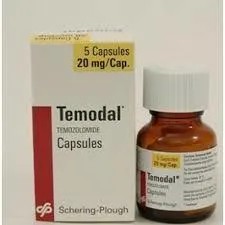
Although the treatment regimen of temozolomide combined with cisplatin has excellent clinical effects, its safety is also an important factor to consider. This combination treatment regimen may cause adverse reactions such as nausea, vomiting, fatigue, and bone marrow suppression. However, these adverse effects are usually manageable and can be mitigated or avoided with appropriate supportive care and medication modification.
The combination of temozolomide and cisplatin has been shown to be safe and effective in multiple studies. Patients should closely monitor adverse reactions when receiving this treatment and communicate with their doctors in a timely manner for appropriate treatment and adjustments.
In recent years, immunotherapy has made significant progress in the treatment of malignant melanoma. However, in some cases, such as for specific types of malignant melanoma such as mucosal melanoma, the chemotherapy regimen of temozolomide combined with cisplatin still shows its unique advantages.
Compared with immunotherapy, temozolomide combined with cisplatin may be more effective in certain patient groups. Especially for those patients with negative expression of PD-L1, the therapeutic advantage of chemotherapy is more obvious. In addition, in some regions or specific patient groups, due to limitations such as economic and medical conditions, the regimen of temozolomide combined with cisplatin may be more practical and feasible.
In summary, temozolomide combined with cisplatin has excellent clinical effects as a treatment option for malignant melanoma. It can significantly extend the patient's recurrence-free survival, distant metastasis-free survival and overall survival. Although this regimen may cause some adverse effects, they are usually controllable. Compared with immunotherapy, this regimen may be more effective and feasible in certain circumstances. Therefore, temozolomide combined with cisplatin remains one of the important options in the treatment of malignant melanoma.
[ 免责声明 ] 本页面内容来自公开渠道(如FDA官网、Drugs官网、原研药厂官网等),仅供持有医疗专业资质的人员用于医学药学研究参考,不构成任何治疗建议或药品推荐。所涉药品可能未在中国大陆获批上市,不适用于中国境内销售和使用。如需治疗,请咨询正规医疗机构。本站不提供药品销售或代购服务。


