
.jpeg)
Does temozolomide treat benign meningiomas?
Temozolomide, as an anti-tumor drug, has always attracted much attention for its application in the treatment of brain tumors. Temozolomide is an alkylating agent that can inhibit the growth and division of tumor cells by chemically modifying DNA. The drug can penetrate the blood-brain barrier and is suitable for the treatment of brain tumors.
Clinically, temozolomide is commonly used to treat malignant brain tumors such as glioblastoma. For benign meningiomas, the efficacy of temozolomide is not very clear. Some studies suggest it may be effective in certain types of low-grade meningiomas, but not all benign meningiomas.
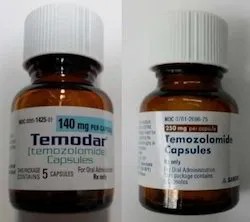
Benign meningiomas usually grow slowly. For small, asymptomatic meningiomas, no special treatment is generally recommended, and regular review is enough. For large, symptomatic meningiomas, the preferred treatment is surgical resection. Surgery can completely remove the tumor and provide the best chance of cure. The role of temozolomide in the treatment of benign meningiomas is more as an adjuvant treatment, such as after surgery or radiotherapy, to reduce the risk of recurrence.
Temozolomide may cause a range of side effects, such as nausea, vomiting, fatigue and hair loss. Before using temozolomide, a thorough evaluation of the patient's physical condition and suitability of the drug is required.
Temozolomide is not the drug of choice for the treatment of benign meningiomas. For patients with benign meningiomas, a personalized treatment plan should be developed based on factors such as tumor size, location, and symptoms. Temozolomide may play a role in certain circumstances, such as in the adjuvant setting after surgery or radiotherapy, but its risks and benefits need to be carefully assessed.
[ 免责声明 ] 本页面内容来自公开渠道(如FDA官网、Drugs官网、原研药厂官网等),仅供持有医疗专业资质的人员用于医学药学研究参考,不构成任何治疗建议或药品推荐。所涉药品可能未在中国大陆获批上市,不适用于中国境内销售和使用。如需治疗,请咨询正规医疗机构。本站不提供药品销售或代购服务。


