
.jpeg)
The role and efficacy of tazetostat
Tazemetostat is an innovative targeted drug designed to treat specific types of cancer. Its mechanism of action is mainly achieved by inhibiting an enzyme called EZH2 (enhancer homeobox 2). EZH2 is a histone methyltransferase that plays a key role in regulating gene expression in cells. However, in some cancer types, overexpression or mutations of EZH2 may lead to abnormal proliferation and survival of cancer cells. By inhibiting the activity of EZH2, tazerestat can effectively intervene in these pathological processes, thereby inhibiting the growth of cancer cells and inducing their apoptosis.
Main indications
1.Epithelioid Sarcoma (Epithelioid Sarcoma) Tazerestat is approved to treat epithelioid sarcoma, a rare but aggressive soft tissue cancer. The disease usually affects the limbs, especially in young adults. Because this cancer often recurs after surgery and has a high rate of metastasis, treatment options are very limited. Traditional chemotherapy has limited effectiveness in epithelioid sarcomas, and tazerestat provides a new treatment option for these patients. By inhibiting EZH2, tazerestat can slow down the growth of tumors and control the progression of the disease to a certain extent.
2.Follicular lymphoma (Follicular Lymphoma) Follicular lymphoma is a common non-Hodgkin lymphoma that mainly affects the lymphatic system. Although follicular lymphoma usually progresses slowly, in some patients, especially those with mutations in the EZH2 gene, the disease can worsen rapidly. For these patients, tazerestat has shown significant efficacy. EZH2 Gene mutations can enhance the viability of cancer cells, and tazerestat works by inhibiting the activity of this mutant enzyme, thereby preventing the proliferation and spread of cancer cells.
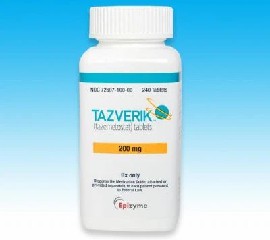
Mechanism of action
The core mechanism of action of tazerestat lies in its ability to inhibitEZH2enzyme. EZH2 is a component of the PRC2 complex and participates in the methylation modification of histone H3K27. This modification is often associated with silencing of genes. When EZH2 is overexpressed or mutated in cancer, it causes abnormal silencing of gene expression, driving cancer cell proliferation. By inhibiting EZH2, tazerestat can prevent this abnormal process, restore normal gene expression patterns, and trigger apoptosis in cancer cells.
Clinical effects
In clinical trials, tazerestat demonstrated promising efficacy, particularly in those with refractory or relapsed follicular lymphoma. The trial results showed that a significant proportion of patients using tazetostat experienced partial or complete remission and their disease was effectively controlled. In addition, tazerestat has also shown some efficacy in patients with epithelioid sarcoma, especially when standard treatments are ineffective.
Safety and Side Effects
Although tazerestat has shown good efficacy, it also has certain side effects. Common side effects include fatigue, nausea, decreased appetite, and hematologic toxicities (eg, anemia and neutropenia). During treatment with tazerestat, patients need to regularly monitor blood indicators to detect and manage these side effects in a timely manner. In addition, because of the effects tazerestat may have on liver function, doctors often recommend liver function tests during treatment.
Tazemetostat (Tazemetostat), a drug that targets the EZH2 enzyme, provides a new treatment option for patients with certain types of cancer. Its mechanism of action is unique. By inhibiting the activity of EZH2 enzyme, it can effectively intervene in the progression of cancer, especially showing significant therapeutic effects in epithelioid sarcoma and follicular lymphoma. Although the current use of tazerestat is still limited by high price and certain side effects, as more research is conducted, it may be used in the treatment of more cancer types in the future, bringing greater hope and survival opportunities to patients. It is important for patients to fully evaluate the potential benefits and risks of tazerestat based on their own specific circumstances under the guidance of a doctor to make the best treatment decision.
[ 免责声明 ] 本页面内容来自公开渠道(如FDA官网、Drugs官网、原研药厂官网等),仅供持有医疗专业资质的人员用于医学药学研究参考,不构成任何治疗建议或药品推荐。所涉药品可能未在中国大陆获批上市,不适用于中国境内销售和使用。如需治疗,请咨询正规医疗机构。本站不提供药品销售或代购服务。


