
.jpeg)
What are the side effects of tazetostat?
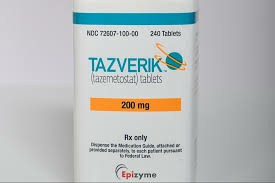
Tazemetostat is a targeted drug mainly used to treat epithelioid sarcoma and follicular lymphoma. Although it has shown promising results in the treatment of these cancer types, like other anticancer drugs, tazerestat is associated with certain side effects. It is critical for patients and health care providers to understand these side effects so that they can be effectively monitored and managed during treatment.
Common side effects
1.Fatigue Fatigue is one of the most common side effects of tazerestat. Patients may experience extreme fatigue and weakness, a feeling that is often associated with medication. During treatment, fatigue may gradually increase, affecting daily activities and quality of life. To alleviate this symptom, patients can appropriately adjust their work and rest schedule, increase their rest, and discuss possible coping strategies with their doctor.
2.Gastrointestinal reactions Gastrointestinal reactions are common side effects during tazerestat treatment, including nausea, vomiting, loss of appetite and diarrhea. These symptoms may be particularly noticeable early in treatment, but some patients may experience less symptoms as treatment continues. To relieve gastrointestinal discomfort, patients can try small meals more often, avoid irritating foods, and use anti-nausea medications as recommended by their doctor.
3.Hematological toxicity Tazerestat may cause hematological toxicity, especially anemia, neutropenia and thrombocytopenia. These blood abnormalities may increase the risk of infection or cause bleeding and bruising. Regular monitoring of blood levels is important for early detection and management of these problems. Your doctor may adjust your medication dose or pause treatment if necessary based on the results of your blood tests.
4.Abnormal liver function Tazerestat may affect the liver and lead to abnormal liver function. During treatment, patients need to undergo regular liver function tests to ensure the normal functioning of the liver. If elevated liver enzyme levels are found, your doctor may adjust your dose or perform other interventions.
5.Risk of infection Because tazerestat may cause leukopenia, the patient's immune system may be suppressed, thereby increasing the risk of infection. In this case, patients need to pay special attention to avoid contact with sources of infection, maintain good hygiene habits, and seek medical treatment promptly when symptoms of infection appear.
Rare but serious side effects
1.The occurrence of malignant tumors Although tazerestat is used to treat cancer, studies have shown that long-term use may increase the risk of other types of malignant tumors. This risk is rare in patients, but patients still need to remain vigilant during treatment and undergo relevant examinations regularly.
2.Skin reactions Tazerestat may cause skin reactions such as rash and itching. Although most of the time, these symptoms are mild, in some cases, they can develop into serious skin problems. Patients should promptly report skin abnormalities to their doctor so that appropriate measures can be taken.
3.Cardiotoxicity In rare cases, tazerestat may cause cardiotoxicity, including risk of irregular heartbeats and heart failure. Patients should have regular heart exams during treatment, especially those with a history of heart disease.
Side Effect Management
To effectively manage the side effects of tazetostat, patients and doctors need to work closely together. Here are some common management strategies:
1.Regular monitoring: Regularly conduct blood tests, liver function and kidney function tests to detect potential side effects in a timely manner.
2.Adjust dosage: Depending on the severity of side effects, doctors may adjust the dosage of tazerestat to reduce the occurrence of adverse reactions.
3.Symptomatic treatment: Depending on the specific side effects experienced by the patient, the doctor may prescribe corresponding symptomatic treatment drugs, such as anti-nausea drugs, analgesics, or anti-infective drugs.
4.Lifestyle adjustments: Patients can alleviate some side effects, such as fatigue and gastrointestinal discomfort, by adjusting their diet, increasing rest, and reducing physical activity.
TazemetostatTazemetostat), as a targeted drug, has significant efficacy in the treatment of specific types of cancer. However, like other anti-cancer drugs, it comes with certain side effects. Patients should fully understand these possible side effects before receiving treatment and maintain close communication with their doctors during the treatment process so that these adverse reactions can be managed and responded to in a timely manner. With effective monitoring and management, most side effects can be controlled, thereby improving the patient's quality of life and ensuring the smooth progress of treatment.
[ 免责声明 ] 本页面内容来自公开渠道(如FDA官网、Drugs官网、原研药厂官网等),仅供持有医疗专业资质的人员用于医学药学研究参考,不构成任何治疗建议或药品推荐。所涉药品可能未在中国大陆获批上市,不适用于中国境内销售和使用。如需治疗,请咨询正规医疗机构。本站不提供药品销售或代购服务。


