
.jpeg)
How long can anlotinib be used for resistance to cabozantinib?
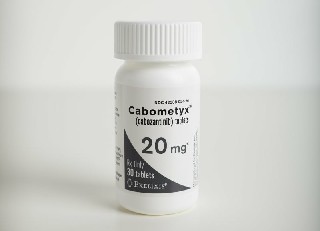
Cabozantinib, as a multi-target tyrosine kinase inhibitor, has shown good efficacy in the treatment of lung cancer, thyroid cancer and other tumors. However, as treatment time prolongs, some patients may develop drug resistance. When cabozantinib resistance develops, treatment options need to be individualized based on the patient's specific circumstances.
As another multi-target tyrosine kinase inhibitor, anlotinib has a different mechanism of action and target spectrum than cabozantinib. Therefore, after cabozantinib resistance, anlotinib can theoretically be considered as one of the subsequent treatment options. However, it should be noted that this conversion is not applicable to all patients, but requires a comprehensive evaluation based on the patient's specific situation, genetic test results, drug interactions and other factors.
There is no clear fixed value for the resistance time of anlotinib, because each patient's condition, constitution, sensitivity to drugs and other factors are different. Based on clinical experience, the duration of resistance to anlotinib may range from several months to one year. However, this is only a rough estimate range, and the specific resistance time needs to be observed and evaluated based on the actual situation of the patient.
Before using anlotinib, it is recommended to undergo genetic testing to determine whether the patient has a genetic mutation that is sensitive to anlotinib. This helps predict drug efficacy and reduces unnecessary treatment risks. Develop an individualized treatment plan based on the patient's specific conditions, including medication dosage, medication cycle, etc.
Some adverse reactions may occur during the use of anlotinib, such as hypertension, hand-foot syndrome, diarrhea, etc. Therefore, patients need to be closely monitored for adverse reactions and the treatment plan should be adjusted in a timely manner as necessary.
For patients with advanced tumors, single drug treatment is often difficult to achieve ideal therapeutic effects. Therefore, comprehensive treatment methods such as surgery, radiotherapy, and chemotherapy can be considered to improve the treatment effect and prolong the patient's survival.
[ 免责声明 ] 本页面内容来自公开渠道(如FDA官网、Drugs官网、原研药厂官网等),仅供持有医疗专业资质的人员用于医学药学研究参考,不构成任何治疗建议或药品推荐。所涉药品可能未在中国大陆获批上市,不适用于中国境内销售和使用。如需治疗,请咨询正规医疗机构。本站不提供药品销售或代购服务。


