
.jpeg)
How effective is cabozantinib in relieving lung cancer-related neuralgia?
The application of Cabozantinib (trade name COMETRIQ, R&D code XL184) in the treatment of lung cancer, especially its effect on relieving lung cancer-related neuralgia, is a topic worthy of in-depth discussion. However, it should be noted that as a multi-target tyrosine kinase inhibitor, cabozantinib's main mechanism of action is to exert anti-cancer effects by inhibiting multiple targets related to tumor growth, angiogenesis and metastasis (such as MET, VEGFR, RET, etc.), rather than directly treating neuralgia.
Cabozantinib was first approved for the treatment of medullary thyroid cancer in the United States in 2012 and has subsequently shown therapeutic effects in a variety of solid tumors, including non-small cell lung cancer (NSCLC), prostate cancer, liver cancer, etc. In the field of lung cancer, cabozantinib is mainly used to treat advanced patients with specific gene mutations, such as RET rearrangements, MET amplifications or ROS1 ROS1 fusions. Although the incidence of these gene mutations in lung cancer is not high, cabozantinib has a significant therapeutic effect on these mutations, providing patients with new treatment options.
Lung cancer-related neuralgia may be caused by a variety of factors, including direct compression of nerves by tumors, nerve invasion caused by bone metastasis, and neurotoxicity caused by treatments (such as chemotherapy and radiotherapy). This kind of pain often seriously affects the patient's quality of life and is relatively difficult to treat. Although traditional analgesics (such as nonsteroidal anti-inflammatory drugs, opioids) can relieve pain to a certain extent, long-term use may cause side effects and tolerance issues.
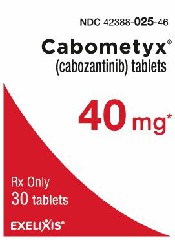
Although cabozantinib is not a drug that directly targets neuralgia, its effectiveness in the treatment of lung cancer may indirectly help relieve lung cancer-related neuralgia. Specifically, cabozantinib may reduce the direct compression and invasion of nerves by tumors by inhibiting tumor growth and metastasis, thereby alleviating the resulting pain. In addition, cabozantinib's control effect on bone metastases also helps reduce nerve invasion and pain caused by bone metastases.
Although direct clinical data on cabozantinib's relief of lung cancer-related neuropathic pain are limited, some studies and case reports provide indirect evidence. For example, when targeting RETrearrangementNSCLCIn clinical trials of patients, cabozantinib has shown good therapeutic effects, including tumor response and prolonged survival. These positive therapeutic effects may indirectly improve patients' pain conditions and quality of life.
In addition, cabozantinib's efficacy in controlling bone metastases also provides support for its ability to relieve lung cancer-related neuralgia. Clinical results show that cabozantinib has a significant disease control rate in patients with bone metastases from a variety of solid tumors, which helps reduce nerve invasion and pain caused by bone metastases.
Although cabozantinib has shown potential in the treatment of lung cancer, before taking cabozantinib, it is recommended that patients undergo genetic testing to determine whether the patient has a gene mutation that is sensitive to cabozantinib. This helps predict drug efficacy and reduces unnecessary treatment risks. Possible adverse reactions during the use of cabozantinib include hypertension, hand-foot syndrome, diarrhea, fatigue, etc. Physicians need to make dosage adjustments and supportive treatments based on the patient's specific conditions to mitigate adverse reactions and improve patient tolerance.
For patients with advanced lung cancer, single drug treatment is often difficult to achieve ideal therapeutic effects. Therefore, doctors should formulate comprehensive treatment plans based on the patient's specific conditions, including the combination of surgery, radiotherapy, chemotherapy and other treatment methods.
[ 免责声明 ] 本页面内容来自公开渠道(如FDA官网、Drugs官网、原研药厂官网等),仅供持有医疗专业资质的人员用于医学药学研究参考,不构成任何治疗建议或药品推荐。所涉药品可能未在中国大陆获批上市,不适用于中国境内销售和使用。如需治疗,请咨询正规医疗机构。本站不提供药品销售或代购服务。


