
.jpeg)
The difference between cabozantinib and capmatinib
Capmatinib (Capmatinib) and cabozantinib (Cabozantinib) are two targeted drugs that play an important role in anti-tumor treatment. Although they both belong to the tyrosine kinase inhibitor (TKI) category, they have obvious differences in many aspects. Here’s a closer look at the differences between the two medications.
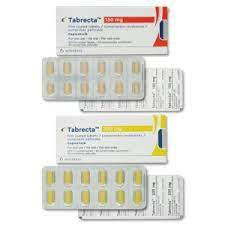
Capmatinib is a selective inhibitor ofMET tyrosine kinase and is mainly used to treat non-small cell lung cancer (NSCLC) with MET gene mutations or fusions. The drug has shown promising results in some clinical trials, particularly in patients whose tumors have progressed despite standard treatments. Significant antitumor activity was observed in cell lines or patient-derived xenograft models harboring various MET activation mechanisms, including MET exon 14 alterations. Capmatinib exerts its anti-cancer effect by inhibiting the MET signaling pathway and preventing the proliferation and metastasis of tumor cells. Due to its high selectivity for MET, capmatinib is generally considered to have relatively few side effects and has been shown to be well tolerated in clinical applications.
In contrast, cabozantinib is a multi-target tyrosine kinase inhibitor, includingVEGFR1-3 (vascular endothelial growth factor receptor), RET, TIE2, FLT-3 and KIT, mainly targeting multiple targets such as MET, VEGFR and AXL. Cabozantinib is not only used in non-small cell lung cancer, but is also widely used in the treatment of various malignant tumors such as medullary thyroid cancer, renal cell carcinoma, and hepatocellular carcinoma. Its mechanism of action is more complex. In addition to inhibiting MET, it can also inhibit tumor growth and metastasis by affecting other related signaling pathways. Therefore, cabozantinib has wider clinical indications, but may also be associated with more side effects because its effects on multiple targets may lead to different physiological responses.
In terms of adverse reactions, the side effects of capmatinib are relatively mild. Common adverse reactions include fatigue, nausea, peripheral edema, decreased appetite, and mild liver function abnormalities. The side effects of cabozantinib are relatively complex, and may cause high blood pressure, diarrhea, stomatitis and other problems, which need to be closely monitored and managed during the medication process.
Judging from clinical studies, capmatinib has shown superior efficacy in patients with non-small cell lung cancer with MET mutations, especially in those patients who have failed other treatments. Overall survival and progression-free survival have been significantly prolonged. Cabozantinib has shown certain effectiveness in the treatment of various cancers, especially in the second-line treatment of renal cell carcinoma, and its efficacy has been widely recognized.
In addition, the two drugs are also different in the way they are administered. Capmatinib is usually administered orally, while cabozantinib is also administered orally, but its dosage regimen may be adjusted for different indications. When using these two drugs, patients need to follow the doctor's prescription and undergo relevant examinations regularly to detect and deal with possible side effects in a timely manner.
[ 免责声明 ] 本页面内容来自公开渠道(如FDA官网、Drugs官网、原研药厂官网等),仅供持有医疗专业资质的人员用于医学药学研究参考,不构成任何治疗建议或药品推荐。所涉药品可能未在中国大陆获批上市,不适用于中国境内销售和使用。如需治疗,请咨询正规医疗机构。本站不提供药品销售或代购服务。


