
.jpeg)
How is the effectiveness of temozolomide evaluated in the treatment of advanced glioma?
The evaluation of the clinical effect of temozolomide in the treatment of advanced glioma is a complex and multi-dimensional topic, involving many aspects such as the drug's mechanism of action, clinical trial data, improvement of patient survival, and management of adverse reactions.
Temozolomide is a new oral alkylating agent anti-tumor drug with broad-spectrum anti-tumor activity and can pass through the blood-brain barrier, with a bioavailability close to 100%. This property gives temozolomide a significant advantage in the treatment of central nervous system tumors. It can directly act on tumor cells and interfere with the replication and repair of DNA, thereby inhibiting the growth and spread of tumor cells.
In the treatment of advanced glioma, temozolomide is usually used as an adjuvant chemotherapy drug after surgery or in combination with radiotherapy to improve the therapeutic effect. Multiple clinical trials have confirmed the effectiveness of temozolomide in the treatment of advanced glioma.
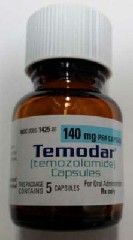
Research shows that temozolomide can significantly prolong the survival of patients with advanced glioma. For example, in a comparative trial of temozolomide combined with radiotherapy and radiotherapy alone, the median overall survival (OS) of patients in the temozolomide + radiotherapy group was significantly longer than that in the radiotherapy alone group. Specifically, for patients with newly diagnosed glioblastoma multiforme (GBM), the median OS for temozolomide plus radiation was compared to 12.1 months. This suggests that temozolomide has an important role in prolonging patient survival.
Temozolomide also has a relatively high tumor response rate in the treatment of advanced glioma. For patients with refractory anaplastic astrocytoma, the overall tumor response rate (CR+PR) of temozolomide can reach 22%, and the complete response (CR) rate is 9%. This shows that temozolomide can effectively control the growth and spread of tumors and reduce patients' clinical symptoms.
Although temozolomide has shown good clinical effects in the treatment of advanced glioma, its adverse effects cannot be ignored. Common adverse reactions of temozolomide include hair loss, fatigue, nausea, vomiting, anorexia, headache, rash, constipation, etc. Most of these adverse reactions are mild to moderate and can be tolerated by most patients. However, a small number of patients may develop severe hematological toxicities, such as neutropenia, thrombocytopenia, etc., which require close monitoring and timely treatment.
Temozolomide may also cause serious infections such as Pneumocystis pneumonia (PCP). Therefore, in patients receiving temozolomide, especially those receiving longer treatment or concurrent steroid therapy, the development of PCP should be closely observed and necessary precautions taken.
In the treatment of advanced glioma, temozolomide is often used as part of an individualized treatment regimen. The doctor will develop an appropriate treatment plan based on the patient's specific condition, physical condition, tolerance and other factors. At the same time, comprehensive evaluation of the patient's treatment effects and adverse reactions is also an indispensable part of the treatment process. Through regular imaging examinations and laboratory examinations, doctors can keep abreast of changes in the patient's condition and drug response, so that they can promptly adjust the treatment plan and improve the treatment effect.
[ 免责声明 ] 本页面内容来自公开渠道(如FDA官网、Drugs官网、原研药厂官网等),仅供持有医疗专业资质的人员用于医学药学研究参考,不构成任何治疗建议或药品推荐。所涉药品可能未在中国大陆获批上市,不适用于中国境内销售和使用。如需治疗,请咨询正规医疗机构。本站不提供药品销售或代购服务。


