
.jpeg)
Is ivonib a targeted drug?
Ivosidenib (Ivosidenib) is a typical targeted drug designed to treat specific types of cancer. It exerts its anti-cancer effects by targeting a specific molecular target, the isocitrate dehydrogenase 1 (IDH1) mutation. Targeted drugs are different from traditional chemotherapy drugs, which fight cancer by killing rapidly dividing cells, but they often lack selectivity and affect healthy cells at the same time, causing serious side effects. Targeted drugs inhibit the growth and spread of tumors by interfering with specific molecular pathways of cancer cells, thereby reducing the impact on normal cells.
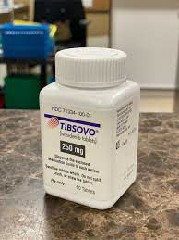
Avosidenib blocks the metabolic pathways of cancer cells by targeting the mutated form of the IDH1 enzyme. IDH1mutations often appear in certain types of cancer, such as acute myeloid leukemia (AML) and cholangiocarcinoma. Under normal circumstances, the IDH1 enzyme participates in the energy metabolism and redox reactions of cells, but after mutation, it catalyzes an abnormal metabolic product that can inhibit the normal differentiation of cells, thereby leading to the proliferation of cancer cells. Ivonib inhibits the activity of this mutant enzyme and reduces the production of abnormal metabolites, thereby restoring normal cell differentiation and inhibiting tumor growth.
Avosidenib’s targeting makes it an effective treatment option for cancers associated withIDH1 mutations. For patients with relapsed or refractory acute myeloid leukemia (AML), ivosidenib may provide a targeted treatment, especially when conventional chemotherapy has failed. In addition, ivonib is also being studied for the treatment of other tumors with IDH1 mutations, such as cholangiocarcinoma. Although these applications are still in the clinical trial stage, they have shown certain efficacy.
As a targeted drug, the side effects of ivonib are generally milder than traditional chemotherapy drugs, but they still require close monitoring during treatment. Common side effects include fatigue, nausea, diarrhea and leukopenia, and more serious ones may include differentiation syndrome and cardiac QT interval prolongation. Therefore, patients should be under the guidance of a doctor when using ivonib to ensure safety and efficacy.
[ 免责声明 ] 本页面内容来自公开渠道(如FDA官网、Drugs官网、原研药厂官网等),仅供持有医疗专业资质的人员用于医学药学研究参考,不构成任何治疗建议或药品推荐。所涉药品可能未在中国大陆获批上市,不适用于中国境内销售和使用。如需治疗,请咨询正规医疗机构。本站不提供药品销售或代购服务。


