
.jpeg)
What are the functions and effects of ivonib?
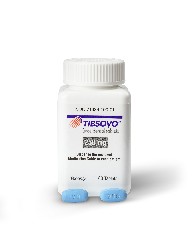
Ivosidenib (Ivosidenib) is a targeted drug specifically used to treat cancer patients carrying isocitrate dehydrogenase1 (IDH1) gene mutations. This drug exerts anti-cancer effects by inhibiting the activity of IDH1 enzyme and blocking the abnormal metabolic pathways of cancer cells. Ivonib is mainly used to treat relapsed or refractory acute myeloid leukemia (AML), and its potential efficacy in other IDH1 mutation-related tumors is being studied.
Mechanism of action of ivonib
IDH1 is a key enzyme responsible for energy metabolism and redox reactions, and plays an important role in the normal function of cells. However, when the IDH1 gene is mutated, the function of the enzyme is altered, leading to the accumulation of an abnormal metabolite called 2-hydroxyglutarate (2-HG). 2-HG is a " bypass metabolite " . It can interfere with the normal differentiation process of cells, preventing immature cells (such as precursor cells in bone marrow) from developing into mature blood cells normally, leading to canceration of cells. This metabolic abnormality is closely related to the occurrence of acute myeloid leukemia.
Ivonib targets and inhibits the mutated IDH1 enzyme and reduces the production of 2-HG, thereby blocking the proliferation of cancer cells and tumor progression. Restoring the normal metabolic function of cells can help alleviate disease symptoms, improve patients' quality of life, and extend their survival.
Indications of ivonib
Currently, the main indication for ivonib is relapsed or refractory acute myeloid leukemia (AML), especially those diagnosed with IDH1 mutations. AMLIt is a rapidly progressive and fatal blood cancer that usually affects immature white blood cells in the bone marrow. Ivonib provides a new treatment option for patients who are resistant to traditional chemotherapy drugs or cannot tolerate chemotherapy.
In addition to AML, ivonib has shown potential therapeutic efficacy in other IDH1 mutation-associated solid tumors. Particularly in diseases such as cholangiocarcinoma and glioblastoma, the use of ivonib is being evaluated in clinical trials. Although these indications have not yet been widely approved, existing research results have shown positive efficacy, indicating that ivonib may become an important treatment option for these diseases.
Effects of ivonib
Avosidenib has demonstrated significant efficacy in the treatment ofIDH1mutatedAML patients. Clinical trial data show that some patients treated with ivonib can achieve complete remission (CR), which means that the number of cancer cells in the bone marrow is undetectable or is significantly reduced. The blood indicators of these patients also showed significant improvement, indicating that the drug effectively restored the normal hematopoietic function of the bone marrow.
For those patients who fail to achieve complete remission, ivosidenib can also delay the progression of the disease and reduce the risk of relapse. In addition, avosidenib also shows good tolerability, its side effects are usually mild, and patients can maintain a good quality of life during long-term treatment. These properties make ivonib an ideal targeted therapy.
Side effects and precautions of ivonib
Although ivonib has shown significant efficacy in clinical applications, like all targeted therapy drugs, it is also associated with some side effects. Common side effects include fatigue, nausea, diarrhea, loss of appetite, and joint pain. These side effects are usually mild to moderate and can be alleviated by symptomatic management and medication adjustment during treatment.
However, ivosidenib may also cause some serious side effects, such as differentiation syndrome andQTinterval prolongation. Differentiation syndrome is a complication related to targeted therapy that usually occurs early in treatment and manifests as fever, dyspnea, hypotension and other symptoms. QTProlonged interval is an abnormality in the electrical activity of the heart, which may lead to serious arrhythmia. Therefore, patients need close monitoring of cardiac function and electrolyte balance during treatment with ivosidenib to reduce the risk of serious complications.
Before treatment with ivonib, doctors usually conduct detailed genetic testing on patients to determinePresence of IDH1 mutations. This test is critical to the effectiveness of treatment because ivosidenib is specifically designed for patients with IDH1 mutations and may not be effective against other types of AML or tumors. During treatment, patients should have regular blood and imaging tests to monitor treatment effects and side effects.
[ 免责声明 ] 本页面内容来自公开渠道(如FDA官网、Drugs官网、原研药厂官网等),仅供持有医疗专业资质的人员用于医学药学研究参考,不构成任何治疗建议或药品推荐。所涉药品可能未在中国大陆获批上市,不适用于中国境内销售和使用。如需治疗,请咨询正规医疗机构。本站不提供药品销售或代购服务。


