
.jpeg)
Dosage and usage of ivonib for patients
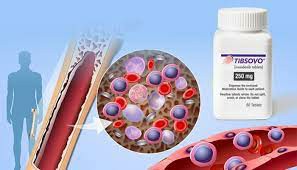
Ivosidenib is a targeted drug mainly used to treat patients with acute myeloid leukemia (AML) with IDH1 gene mutations. It works by inhibiting a mutant form of the IDH1 enzyme, reducing the production of 2-hydroxyglutarate (2-HG), thereby restoring normal cell differentiation and function. Ivonib has shown significant efficacy in the treatment of IDH1 mutated AML patients, but in order to ensure its effectiveness and safety, the prescribed dosage and usage must be strictly followed.
1. Recommended dosage
The recommended dose of ivonib is 500mg once daily. This dose is determined based on clinical trial results and is thought to strike a balance between effectiveness and safety. Patients should take their medications at the same time each day to maintain stable drug concentrations to maximize treatment effectiveness.
2. How to take
Avosidenib should be taken orally. Tablets should be swallowed whole and not chewed, crushed or divided. The medication can be taken before or after a meal, but it is recommended to take it with food to reduce the risk of gastrointestinal upset. If a patient experiences nausea or an upset stomach, the doctor may recommend taking the medication after eating.
3. Handling missed doses
If the patient forgets to take ivonib at the prescribed time and it is more than 12 hours before the next dose, he should take it as soon as possible. If it is less than 12 hours before your next dose, skip the missed dose and take the next dose at your regular time. Patients should not take a double dose on the same day to make up for a missed dose.
4. Dose adjustment
Although500mg is the standard recommended dose, some patients may require dose adjustment. This usually occurs when patients experience serious side effects or specific drug interactions. Here are some common dosage adjustments:
Side Effect Management: If a patient experiences serious adverse reactions, such as differentiation syndrome, QTinterval prolongation, or severe leukopenia, the physician may temporarily discontinue the drug or reduce the dose. After side effects are dealt with, the doctor may gradually return to the original dose or adjust the dose based on the patient's response.
Hepatic Impairment: Ivonib is metabolized in the liver, so for patients with moderate to severe hepatic impairment, doctors may recommend a lower starting dose and close monitoring of the patient's liver function.
Drug Interactions: Ivonib is a substrate of the CYP3A4 enzyme and therefore dose adjustments may be required when used concomitantly with strong inhibitors or inducers of CYP3A4. For example, the dose of ivonib may need to be reduced when using strong CYP3A4 inhibitors (such as ketoconazole), and the dose may need to be increased when using CYP3A4 inducers (such as rifampicin). Patients should notify their physician when starting or stopping other medications so that appropriate dosage adjustments can be made.
5. Monitoring during medication
While taking ivonib, patients need to undergo various examinations regularly to monitor the efficacy and side effects of the drug. Here are some key monitoring items:
Hematology Monitoring: Because avosidenib may cause leukopenia or other hematology abnormalities, patients should have regular blood tests to monitor blood cell counts. If abnormalities are found, the doctor may adjust the dose or take other treatments.
ECG Monitoring: Ivonib may causeQT prolongation, a condition that may lead to cardiac arrhythmias. Therefore, patients should undergo regular electrocardiograms before and during treatment. If the QT interval is found to be significantly prolonged, your doctor may adjust the dose or discontinue the drug.
Liver function monitoring: The metabolism of ivonib is mainly carried out by the liver, so liver function needs to be monitored regularly, especially for patients with existing liver function impairment. If liver function abnormalities are found, dose adjustment or treatment may need to be suspended.
Monitoring for Differentiation Syndrome: Differentiation syndrome is a serious complication that may occur during treatment with ivosidenib. Symptoms include fever, shortness of breath, low blood pressure, and rapid weight gain. Patients should be alert to these symptoms and seek medical attention immediately if they occur. Doctors may treat with corticosteroids (such as dexamethasone) and withhold ivonib if necessary.
Avosidenib, as a targeted therapy, plays an important role in the treatment of IDH1 mutated acute myeloid leukemia (AML). However, in order to ensure its maximum efficacy and minimize side effects, patients must strictly follow the recommended dosage and usage and conduct treatment under the guidance of a doctor. Regular monitoring and appropriate dose adjustments are essential to manage the risks of ivosidenib treatment. With careful management and close monitoring, most patients can achieve significant benefit from treatment with ivosidenib while minimizing adverse effects.
[ 免责声明 ] 本页面内容来自公开渠道(如FDA官网、Drugs官网、原研药厂官网等),仅供持有医疗专业资质的人员用于医学药学研究参考,不构成任何治疗建议或药品推荐。所涉药品可能未在中国大陆获批上市,不适用于中国境内销售和使用。如需治疗,请咨询正规医疗机构。本站不提供药品销售或代购服务。


