
.jpeg)
What are the taboos while taking ivonib?
When taking Ivosidenib (Ivosidenib), patients should pay attention to their diet to optimize drug effects and reduce side effects. Although ivonib itself does not have particularly strict dietary contraindications, some dietary and lifestyle adjustments can help improve the safety and effectiveness of the treatment.
1. Avoid alcohol: It is recommended to avoid drinking alcohol while taking ivonib. Alcohol may place an additional burden on the liver, and ivonib is metabolized by the liver, and excessive alcohol consumption may increase the risk of abnormal liver function. Maintaining liver health is critical to drug metabolism and therapeutic efficacy.
2. Avoid high-fat foods: High-fat foods may affect the absorption and metabolism of ivonib. To ensure optimal absorption and efficacy of the drug, it is recommended to reduce the intake of high-fat foods, such as fried foods, fatty meats, and high-fat dairy products. Choosing a low-fat and balanced diet can help reduce gastrointestinal side effects such as nausea and diarrhea.
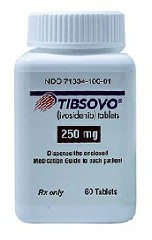
3. Avoid foods that interact with drugs: Some foods may interact with ivonib, thus affecting the effect of the drug. For example, grapefruit and grapefruit juice are known to interfere with the drug's metabolic process and may increase the plasma concentration of ivosidenib, leading to an increase in side effects. It is recommended to avoid these foods and discuss possible food interactions with your doctor.
4. High-fiber diet: To help reduce possible gastrointestinal side effects, such as constipation or diarrhea, it is recommended to increase dietary fiber intake. High-fiber foods include fruits, vegetables, whole grains and legumes. These foods can help maintain normal digestive function and reduce the burden of medications on the gastrointestinal tract.
5. Drink more water: Adequate water intake is very important for drug metabolism and overall health of the body. Drinking enough water can help reduce the side effects that medications may cause and help the liver function properly. It is recommended to drink enough water every day and avoid high-sugar drinks and caffeinated drinks to avoid increasing the burden on the kidneys.
While there are no particularly strict dietary taboos while taking ivonib, following a healthy diet can help optimize treatment effects and reduce side effects. Avoiding alcohol and high-fat foods, avoiding foods that interact with medications, increasing your intake of high-fiber foods, and staying well hydrated can help support the treatment process and improve your quality of life. Patients should discuss individual dietary needs with their doctor or nutritionist to ensure optimal treatment and health management.
[ 免责声明 ] 本页面内容来自公开渠道(如FDA官网、Drugs官网、原研药厂官网等),仅供持有医疗专业资质的人员用于医学药学研究参考,不构成任何治疗建议或药品推荐。所涉药品可能未在中国大陆获批上市,不适用于中国境内销售和使用。如需治疗,请咨询正规医疗机构。本站不提供药品销售或代购服务。


