
.jpeg)
Average resistance time to ivonib
Ivosidenib (Ivosidenib) is a targeted drug used to treat patients with IDH1 gene mutations in acute myeloid leukemia (AML). Drug resistance is an important issue that needs attention during treatment. Understanding the resistance time of ivonib can help optimize treatment plans and manage patients' conditions.
Based on clinical studies and practical experience, the resistance time to ivonib may vary between different patients. In general, ivonib can effectively control the disease for several months to about a year in most patients, but the time for drug resistance to develop varies among individuals. Some studies have shown that resistance to ivosidenib typically develops within 6 to 12 months after initiation of treatment. The emergence of drug resistance may be related to changes in the adaptability of cancer cells to drugs, changes in drug metabolism, or the further development of IDH1 mutations.
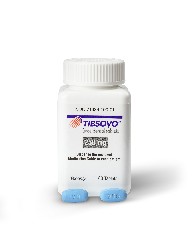
The mechanism of drug resistance may involve multiple factors, including the possibility that cancer cells may develop new mutations or the further evolution of existing mutations, thereby reducing the effectiveness of ivonib. Changes in drug metabolism in the body may lead to insufficient drug concentration and affect the therapeutic effect. Cancer cells may adapt to drug inhibition by changing their biochemical pathways, thereby reducing the therapeutic efficacy of drugs.
Surveillance and early identification of drug resistance are critical to effective management of the condition. Regular blood tests, bone marrow aspirates and other relevant assessments can help detect changes in the condition and the development of drug resistance in a timely manner. Through these monitoring, doctors can adjust the treatment plan in time according to the progress of the disease.
Resistance to ivonib usually occurs within 6 to 12 months after the start of treatment, but the specific time varies depending on individual patients. Drug resistance may be related to factors such as mutation changes of cancer cells, changes in drug metabolism, and cell adaptability. Once drug resistance occurs, doctors will manage it by adjusting doses, combining treatments, or changing drugs. Regular monitoring and evaluation are essential for timely detection of drug resistance and optimization of treatment options.
[ 免责声明 ] 本页面内容来自公开渠道(如FDA官网、Drugs官网、原研药厂官网等),仅供持有医疗专业资质的人员用于医学药学研究参考,不构成任何治疗建议或药品推荐。所涉药品可能未在中国大陆获批上市,不适用于中国境内销售和使用。如需治疗,请咨询正规医疗机构。本站不提供药品销售或代购服务。


