
.jpeg)
Detailed explanation of crizotinib reimbursement policy and process
Crizotinib, a targeted therapy for anaplastic lymphoma kinase (ALK)-positive non-small cell lung cancer, has attracted much attention due to its significant therapeutic effect. However, its high price once became an obstacle to patient treatment. Fortunately, with the continuous improvement of the national medical insurance policy, crizotinib has been successfully included in the medical insurance catalog, bringing real economic burden relief to patients. This article will give you a comprehensive analysis of the reimbursement policy and reimbursement process of crizotinib.
1. In-depth interpretation of reimbursement policy
The reimbursement ratio of crizotinib is affected by differences in region, type of medical insurance (such as employee medical insurance or resident medical insurance) and specific policies, so the reimbursement ratio varies across regions. Generally speaking, the reimbursement ratio of employee medical insurance is relatively high, while the reimbursement ratio of resident medical insurance is slightly lower. For specific reimbursement ratios, patients need to refer to local medical insurance policies.
It is particularly important to note that the reimbursement scope of crizotinib has clear indication restrictions, that is, it is only for patients with anaplastic lymphoma kinase (ALK)-positive locally advanced or metastatic non-small cell lung cancer, and ROS1-positive patients with advanced non-small cell lung cancer. When applying for reimbursement, patients must provide relevant medical certificates and genetic testing reports.
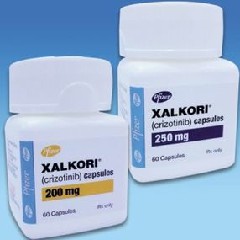
2. Step-by-step guidance on the reimbursement process
The reimbursement process for crizotinib generally includes the following steps:
1. Medical treatment and diagnosis: Patients first need to seek medical treatment at a medical institution designated by the medical insurance and undergo necessary examinations to confirm the diagnosis of non-small cell lung cancer and ALK positive or ROS1 positive status.
2. Drug Prescription: Once diagnosed, the doctor will prescribe crizotinib based on the patient’s condition. Patients need to bring their prescriptions to designated pharmacies or hospital pharmacies to purchase medicines.
3. Medical insurance reimbursement application: When purchasing drugs, patients need to provide their medical insurance card, prescription and relevant medical certification documents to the drug store or hospital pharmacy. The drug store or hospital pharmacy will calculate the amount that the patient needs to pay out of pocket in accordance with local medical insurance policies, and submit the remaining amount to the medical insurance department for reimbursement.
4. Expense settlement: After the medical insurance department approves the review, the reimbursement amount will be paid directly to the pharmacy or hospital pharmacy, and the patient only needs to pay the personal out-of-pocket portion.
5. Follow-up reimbursement and review: For patients who need to take crizotinib for a long time, the above reimbursement process needs to be repeated every time they purchase the drug. At the same time, patients need to go to the hospital for regular check-ups and adjust the treatment plan according to the doctor's guidance.
3. Precautions for use
Before using crizotinib, patients should fully understand its indications, usage and dosage, and possible adverse reactions, and use it rationally under the guidance of a doctor.
In general, the inclusion of crizotinib in the medical insurance catalog has brought significant financial burden relief to patients. In addition, its generic drugs are also sold in countries such as Laos, with relatively affordable prices, providing patients with more treatment options.
[ 免责声明 ] 本页面内容来自公开渠道(如FDA官网、Drugs官网、原研药厂官网等),仅供持有医疗专业资质的人员用于医学药学研究参考,不构成任何治疗建议或药品推荐。所涉药品可能未在中国大陆获批上市,不适用于中国境内销售和使用。如需治疗,请咨询正规医疗机构。本站不提供药品销售或代购服务。


