
.jpeg)
Detailed explanation of crizotinib side effects and treatment strategies
Crizotinib, this targeted therapy drug for anaplastic lymphoma kinase (ALK)-positive non-small cell lung cancer, has brought new hope to patients with its significant efficacy. However, any drug may cause some side effects, and crizotinib is no exception. It is important for patients to understand these side effects and strategies to cope with them. The following is a detailed introduction and treatment suggestions for common side effects of crizotinib:
1. Digestive system discomfort: Nausea, vomiting, and decreased appetite are common digestive system side effects. Try adjusting the time you take your medication, such as before or after a meal, to reduce stomach upset. At the same time, avoid greasy, spicy or difficult-to-digest foods, and consult your doctor to use antiemetics if necessary.
2. Intestinal problems: Diarrhea or constipation may be bothersome to patients. When you have diarrhea, you should reduce your intake of high-fiber foods and drink more water to prevent dehydration; when you have constipation, you can increase your intake of dietary fiber, exercise moderately, and use laxatives if necessary.
3. Respiratory symptoms: Coughing is another common side effect. Stay well hydrated and use a humidifier to keep indoor air moist to help relieve coughs. If symptoms persist or worsen, seek medical attention promptly.
4. Headache discomfort: When you have a headache, try to rest, relax, or engage in light exercise to relieve symptoms. If the pain is unbearable, your doctor may recommend painkillers.
5. Oral ulcer problem: Keeping your mouth clean, brushing your teeth regularly and using mouthwash, avoiding irritating foods and drinks, using a soft-bristled toothbrush and mild toothpaste can help prevent and treat oral ulcers.
6. Nerve pain: For nerve pain, your doctor may recommend pain relievers or neuromodulatory drugs. In the meantime, try physical therapy such as hot or cold compresses to relieve pain.
7. Abnormal liver function: Conduct liver function tests regularly to detect and deal with problems in time. Your doctor may adjust your medication dosage or recommend other treatment options based on the test results.
8. Edema problem: When your hands, feet or eyes are swollen, elevate the swollen area to reduce edema, avoid standing or sitting for long periods of time, and wear loose and comfortable clothing and shoes.
9. Numbness or tingling in your hands and feet: Try light exercise or massage to relieve numbness and tingling, and avoid staying in the same position for too long.
10. Muscle weakness and difficulty walking: Perform appropriate physical exercises to enhance muscle strength, and use assistive devices such as crutches or wheelchairs to help with walking.
11. Cold symptoms: such as nasal congestion, sneezing, sore throat, etc. The key is to stay well hydrated and get plenty of rest. If symptoms are severe, please seek medical treatment promptly.
12. Dizziness, fatigue and vision problems: Avoid sudden changes in body position to reduce dizziness and ensure adequate sleep and rest. If vision problems persist, get an eye exam promptly.
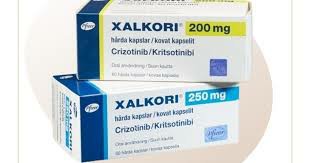
In summary, although crizotinib may cause some side effects, most of them are controllable. Patients should maintain close communication with their doctors and promptly report any discomfort symptoms so that doctors can promptly adjust treatment plans and provide necessary support. There are currently different versions of crizotinib available on the market, and patients should make the appropriate choice based on their own needs and doctor's recommendations.
[ 免责声明 ] 本页面内容来自公开渠道(如FDA官网、Drugs官网、原研药厂官网等),仅供持有医疗专业资质的人员用于医学药学研究参考,不构成任何治疗建议或药品推荐。所涉药品可能未在中国大陆获批上市,不适用于中国境内销售和使用。如需治疗,请咨询正规医疗机构。本站不提供药品销售或代购服务。


