
.jpeg)
The difference between midostaurin and giritinib
Midostaurin (Midostaurin) is a multi-target kinase inhibitor approved for the treatment of acute myeloid leukemia (AML) with FLT3-specific gene mutations and advanced systemic mastocytosis. It is often used in conjunction with chemotherapy. In contrast, Gilteritinib, a targeted therapy specifically designed to inhibit FLT3 mutations in relapsed or refractory AML cases, is used as monotherapy. A patient's choice between midostaurin and giritinib will depend on relevant characteristics of their leukemia, including the presence of FLT3 mutations, the stage of the disease, and previous treatments they have received.
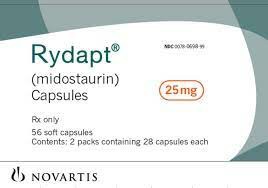
Midostaurin, generically known asmidostaurin and sold under the trade name Rydapt, is a drug approved for the treatment of acute myeloid leukemia (AML) in adults with FLT3-specific gene mutations. This mutation is associated with a particularly aggressive form of acute myeloid leukemia. Clinical trials have shown that when midostaurin is used in combination with standard chemotherapy, it can significantly improve overall survival compared with chemotherapy alone. The efficacy of midostaurin was established in a randomized, double-blind, placebo-controlled trial, which showed a significant increase in overall survival and event-free survival in patients who received the drug in combination with standard chemotherapy.
Giritinib is another targeted therapy approved to treat adults with relapsed or refractory AML harboring FLT3 mutations. Its efficacy has been evaluated in clinical trials involving patients who experienced relapse after initial treatment or failed to respond to previous treatment regimens. Giltinib has been shown to induce remission in a substantial proportion of these patients. The approval of giritinib was based on results from a multicenter clinical trial, which showed that the drug resulted in a higher rate of complete response, or complete response with partial hematologic recovery, compared with chemotherapy.
Midostaurin and gilitinib both target FLT3 mutations in AML patients, but they are used at different stages of the disease. Midostaurin is used in newly diagnosed patients in combination with chemotherapy, while giritinib is used in patients who have relapsed or are refractory to other treatments. The choice of these drugs depends on the patient's condition, including the stage of the disease and previous treatments. It is important for healthcare providers to perform appropriate genetic testing for FLT3 mutations to determine the suitability of these medications for individual patients.
When considering treatment with midostaurin or giritinib, your doctor will weigh the potential benefits against the possible side effects. Both drugs can cause side effects, some of which can be serious. Regular monitoring and supportive care are essential to manage any adverse effects. Additionally, the cost of these therapies and the patient's overall health and prognosis are important factors in determining treatment. As with any medication, adhering to the prescribed regimen is critical for optimal results.
[ 免责声明 ] 本页面内容来自公开渠道(如FDA官网、Drugs官网、原研药厂官网等),仅供持有医疗专业资质的人员用于医学药学研究参考,不构成任何治疗建议或药品推荐。所涉药品可能未在中国大陆获批上市,不适用于中国境内销售和使用。如需治疗,请咨询正规医疗机构。本站不提供药品销售或代购服务。


