
.jpeg)
Can platinib treat wild-type lung adenocarcinoma?
There is currently no direct and clear evidence to support the efficacy of platinib in the treatment of wild-type lung adenocarcinoma. Platinib is mainly a targeted therapy drug targeting RET gene mutations, especially in patients with RET fusion-positive non-small cell lung cancer (NSCLC). It has shown significant clinical efficacy. However, wild-type lung adenocarcinoma refers to a type of lung cancer that does not have RET gene mutations or other specific driver gene mutations, so the efficacy of platinib in these patients is unclear.
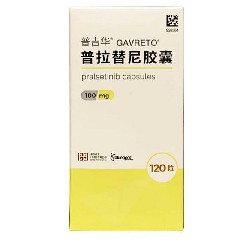
Platinib is a RET inhibitor designed to target tumor cells carrying RET gene mutations. It blocks the proliferation signals of tumor cells by specifically binding to the RET protein and inhibiting its kinase activity. In wild-type lung adenocarcinoma, due to the lack of RET gene mutation, the target of platinib is not clear, so it may not be able to exert an effective anti-tumor effect.
Current clinical trials on platinib mainly focus on RET fusion-positive NSCLC patients. For example, in the ARROW study, platinib achieved significant efficacy in this type of patients, with an objective response rate (ORR) as high as 70% or more. However, these studies did not include patients with wild-type lung adenocarcinoma, and therefore no direct inferences can be made about the efficacy of platinib in these patients.
Treatment options: For patients with wild-type lung adenocarcinoma, current treatment strategies mainly rely on traditional chemotherapy, radiotherapy, and immunotherapy. Although platinib has made a breakthrough in RET variant lung cancer, its therapeutic status in wild-type lung cancer has not yet been established.
[ 免责声明 ] 本页面内容来自公开渠道(如FDA官网、Drugs官网、原研药厂官网等),仅供持有医疗专业资质的人员用于医学药学研究参考,不构成任何治疗建议或药品推荐。所涉药品可能未在中国大陆获批上市,不适用于中国境内销售和使用。如需治疗,请咨询正规医疗机构。本站不提供药品销售或代购服务。


