
.jpeg)
Is it recommended for patients with advanced lung cancer to take platinib?
Platinib is a targeted therapy for RET gene fusions or mutations. In non-small cell lung cancer (NSCLC), although RET fusion mutations are relatively rare, with an incidence rate of about 1%~2%, such patients often respond poorly to traditional chemotherapy and multi-kinase inhibitors. The emergence of platinib provides a new treatment option for these patients. Especially for patients with RET fusion-positive NSCLC who have received platinum-containing chemotherapy and whose disease has progressed, platinib has shown significant efficacy.
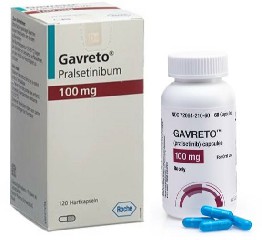
According to the results of multiple clinical studies, platinib has shown impressive efficacy in the treatment of RETfusion-positive NSCLC. For example, in the ARROW study, the median survival (OS) of previously treated patients reached 44.3 months, while the median OS of treatment-naïve patients has not yet been reached, indicating that platinib can bring durable survival benefits to patients. At the same time, the safety of platinib has also been widely recognized. Its adverse reaction spectrum is similar to other TKI drugs, which are mainly hematological reactions, and there are no serious side effects such as obvious cardiotoxicity.
Based on the above analysis, platinib is a treatment option worth considering for patients with advanced lung cancer and RET fusion mutations. However, before using platinib, patients should first undergo genetic testing to confirm the presence of RET fusions or mutations. In addition, because platinib may cause some adverse reactions, such as hypertension, interstitial lung disease, etc., the patient's physical condition needs to be closely monitored during use and the treatment plan should be adjusted in a timely manner according to the doctor's recommendations.
[ 免责声明 ] 本页面内容来自公开渠道(如FDA官网、Drugs官网、原研药厂官网等),仅供持有医疗专业资质的人员用于医学药学研究参考,不构成任何治疗建议或药品推荐。所涉药品可能未在中国大陆获批上市,不适用于中国境内销售和使用。如需治疗,请咨询正规医疗机构。本站不提供药品销售或代购服务。


