
.jpeg)
Does platinib follow a specific treatment course for targeted therapy of lung cancer?
When platinib is used for targeted therapy of lung cancer, its treatment course does not follow a fixed pattern. Instead, its use depends more on the patient's specific condition, drug response, and physician recommendations.
Platinib administration time varies between individuals, usually between 28 days and 35 days. This range reflects differences in how different patients respond to and tolerate the drug. Therefore, doctors will adjust the medication time and cycle according to the patient's specific conditions.
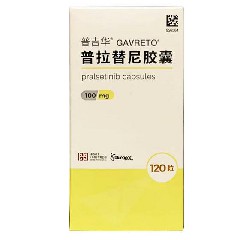
When using platinib for targeted therapy, doctors will closely monitor changes in the patient's condition. This usually involves regular tests, such as CT scans, to assess the size and activity of the tumor.
If the patient's condition is stable or improving, the current treatment regimen may be continued. However, if the disease progresses or becomes resistant to drugs, doctors may adjust the treatment plan, including changing drugs or combining them with other treatments.
A common problem with targeted therapies is drug resistance. Platinib is no exception. Patients may develop resistance to the drug after using it for a period of time. Once resistance develops, doctors often perform genetic testing to look for other targetable mutations and may switch to other effective targeted drugs.
In addition to efficacy, doctors also focus on the drug's safety and patient tolerability. Platinib may cause some side effects, such as rash and difficulty breathing. Doctors will adjust the drug dosage or medication time according to the patient's side effects to ensure the safety of the treatment and the patient's comfort.
[ 免责声明 ] 本页面内容来自公开渠道(如FDA官网、Drugs官网、原研药厂官网等),仅供持有医疗专业资质的人员用于医学药学研究参考,不构成任何治疗建议或药品推荐。所涉药品可能未在中国大陆获批上市,不适用于中国境内销售和使用。如需治疗,请咨询正规医疗机构。本站不提供药品销售或代购服务。


