
.jpeg)
What are the advantages of platinib in treating RET-positive cancers?
Platinib has shown significant advantages in the treatment of RET positive cancers. Platinib, as a RET inhibitor, specifically targets RET fusion gene mutations, which are found in a variety of cancers, such as lung and thyroid cancer. Platinib can precisely act on these tumor cells carrying RET mutations, reducing damage to normal cells, thus improving the accuracy and effectiveness of treatment.
Clinical trials and real-world data have shown that platinib has significant efficacy against RET fusion-positive cancers. For example, in one study, platinib treated patients with RET variant non-small cell lung cancer, 100% of newly treated patients had tumor shrinkage, and 97% of previously treated patients had tumor shrinkage. Such efficacy data are very impressive in cancer treatment.
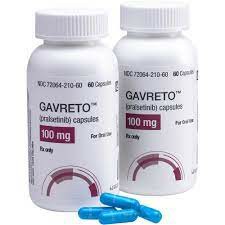
The use of platinib can not only relieve disease symptoms, but also effectively control tumor progression, thus prolonging patients' survival time. At the same time, due to its precise targeting effect, it reduces the systemic toxic and side effects caused by traditional chemotherapy, significantly improving the patient's quality of life during treatment.
Compared with other treatments, platinib has relatively few side effects. Common adverse reactions are mostly mild to moderate, such as fatigue, nausea, etc., and are tolerated by most patients. Severe adverse reactions are rare, which ensures the safety of the treatment to a certain extent.
Platinib is an oral drug, which provides patients with a more convenient treatment method. At the same time, doctors can adjust the drug dosage or medication time according to the patient's specific conditions to ensure the safety and effectiveness of the treatment. This flexibility allows Platinib to be adapted to a wider range of patients with different conditions.
[ 免责声明 ] 本页面内容来自公开渠道(如FDA官网、Drugs官网、原研药厂官网等),仅供持有医疗专业资质的人员用于医学药学研究参考,不构成任何治疗建议或药品推荐。所涉药品可能未在中国大陆获批上市,不适用于中国境内销售和使用。如需治疗,请咨询正规医疗机构。本站不提供药品销售或代购服务。


