
.jpeg)
Is platinib effective in treating prostate cancer?
Platinib, as a therapeutic drug targeting RET gene mutations, has achieved certain results in the field of cancer treatment. Platinib mainly works by inhibiting abnormal signaling of the RET receptor, a mechanism that has been verified in non-small cell lung cancer and thyroid cancer. But in prostate cancer, the frequency of RET gene mutations is relatively low, which means platinib may only be effective in a small proportion of prostate cancer patients.
Currently, there are relatively few clinical studies on platinib in the treatment of prostate cancer. Existing research has mainly focused on prostate cancer patients with positive RET gene fusions or mutations, and these patients account for a small proportion of the overall prostate cancer population. Therefore, it is difficult to draw generalizable conclusions from existing clinical studies.
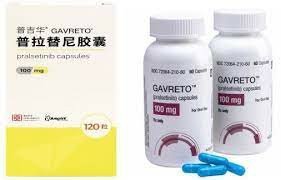
In published clinical data, platinib has shown certain efficacy in prostate cancer patients with RET gene fusions or mutations. For example, in some case reports or small studies, platinib can reduce tumor size, relieve cancer-related symptoms, and extend patients' progression-free survival. However, these results need to be further verified in large-scale, randomized controlled clinical trials.
In addition to efficacy, we also need to pay attention to the safety of platinib. In known studies, the side effects of platinib mainly include hypertension, abnormal liver function, etc. These side effects may also occur in patients with prostate cancer. Therefore, when using platinib to treat prostate cancer, its efficacy and safety need to be weighed.
[ 免责声明 ] 本页面内容来自公开渠道(如FDA官网、Drugs官网、原研药厂官网等),仅供持有医疗专业资质的人员用于医学药学研究参考,不构成任何治疗建议或药品推荐。所涉药品可能未在中国大陆获批上市,不适用于中国境内销售和使用。如需治疗,请咨询正规医疗机构。本站不提供药品销售或代购服务。


