
.jpeg)
Will tumors shrink when taking Platinib?
Platinib, as an innovative targeted therapy, has shown significant clinical effects in the treatment of certain types of cancer, especially cancers with RET gene fusions or mutations.
Platinib is a third-generation targeted drug that mainly targets cancers with RET gene fusions or mutations. This drug can inhibit the growth and spread of cancer cells, thereby achieving the purpose of treating cancer. By interfering with the signaling pathways of cancer cells, platinib is expected to shrink tumors and even achieve partial or complete remission.
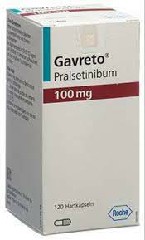
According to multiple clinical studies, platinib can indeed shrink tumors in some patients. For example, in a clinical trial for patients with RET fusion-positive non-small cell lung cancer, approximately 78% of patients experienced substantial tumor shrinkage after using platinib. This data suggests that platinib has significant efficacy in treating this type of cancer.
It is important to note that not all patients respond equally to platinib. The extent of tumor shrinkage may vary depending on individual patient differences, severity of disease, and treatment options. Therefore, although platinib is expected to shrink tumors, the specific effect needs to be evaluated based on the actual situation of the patient.
When using platinib, patients also need to pay attention to its safety and side effects. Although platinib is excellent in treating cancer, it may also cause some adverse reactions, such as rash, skin itching, diarrhea, nausea, etc. Therefore, it is necessary to closely monitor the patient's physical condition during use and adjust the treatment plan in a timely manner to ensure the patient's safety.
[ 免责声明 ] 本页面内容来自公开渠道(如FDA官网、Drugs官网、原研药厂官网等),仅供持有医疗专业资质的人员用于医学药学研究参考,不构成任何治疗建议或药品推荐。所涉药品可能未在中国大陆获批上市,不适用于中国境内销售和使用。如需治疗,请咨询正规医疗机构。本站不提供药品销售或代购服务。


