
.jpeg)
What is the difference between tucatinib (tucatinib) and neratinib
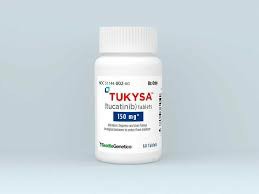
Tucatinib (Tukysa) is used to treat advanced or metastatic HER2+ breast cancer or HER2+ colorectal cancer, while neratinib (Nerlynx) is used to treat early and advanced or metastatic HER2+ breast cancer but is not approved for use in colorectal cancer.
Tucatinib is indicated for the treatment of more advanced or metastatic HER2-positive (HER2+) breast cancer or RAS wild-type HER2-positive unresectable or metastatic colorectal cancer. Neratinib is used to treat early-stage HER2+ breast cancer to help prevent its recurrence, or in advanced or metastatic HER2+ breast cancer. These drugs can be used in combination with different chemotherapy drugs.
Metastatic cancer has spread to other parts of the body, and advanced or unresectable cancer cannot be removed with surgery. People with HER2+ cancer have a gene that causes their cells to produce too much of the HER2 protein. Too much HER2 causes cells to grow more aggressively. HER2 breast cancers account for approximately 20% of all breast cancers. HER2 is overexpressed in 3% to 5% of patients with metastatic colorectal cancer and in approximately 10% of patients with RAS wild-type metastatic colorectal cancer.
Tucatinib and neratinib have similar and different side effects. These side effects may occur more or less frequently in different patients, or they may not occur at all.
Both tucatinib and neratinib can cause: diarrhea; nausea and vomiting; fatigue; stomach pain; liver toxicity; rash; swelling or ulcers in the mouth (stomatitis); decreased appetite.
Severe diarrhea may occur with neratinib, and your doctor may prescribe loperamide (Imodium) and possibly other medicines to help treat diarrhea. Strictly follow your doctor's instructions on how to use these antidiarrheal medicines.
Tucatinib may also cause: headache; anemia (lack of red blood cells that carry oxygen throughout the body); redness, swelling and pain in the palms and soles of the feet; infusion-related reactions; fever.
Neratinib can also cause: muscle cramps; heartburn; nail disorders; dry skin; bloating; nose bleeding; weight loss; urinary tract infection (UTI).
This is not a complete list of possible side effects of tucatinib and neratinib. Please talk to your doctor for more information about the side effects you may expect.
In general, tucatinib and neratinib are both important therapeutic drugs for HER2-positive breast cancer, and they contribute to the fight against this malignant disease through different mechanisms. With the continuous deepening of research and the expansion of clinical applications, we believe that these two drugs will bring more lasting and comprehensive survival benefits to more patients.
[ 免责声明 ] 本页面内容来自公开渠道(如FDA官网、Drugs官网、原研药厂官网等),仅供持有医疗专业资质的人员用于医学药学研究参考,不构成任何治疗建议或药品推荐。所涉药品可能未在中国大陆获批上市,不适用于中国境内销售和使用。如需治疗,请咨询正规医疗机构。本站不提供药品销售或代购服务。


