
.jpeg)
How long can one survive in AML treated with ivonib?
In the field of treatment of acute myeloid leukemia (AML), Ivosidenib (Ivosidenib), as a targeted therapeutic drug targeting IDH1 gene mutations, is gradually becoming the focus of researchers and clinicians. However, the expected survival time of AML patients after taking ivonib is a complex issue involving many factors and cannot be simply summarized with a definite number.
The patient's specific condition is one of the key factors affecting survival. This includes the initial stage of the disease, whether it is accompanied by other genetic mutations, the patient's overall health, and whether there are other comorbidities. Together, these factors contribute to the complexity of the patient's condition, which has a profound impact on the therapeutic efficacy of ivosidenib.
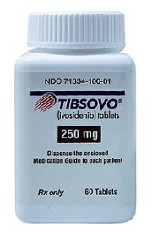
The patient's response to ivonib treatment is also an important factor in determining survival. Different patients have different sensitivity and tolerance to drugs, which results in the effectiveness of treatment may vary between patients. Some patients may have a significant therapeutic response to ivonib and thus have a longer survival, while other patients may have a weaker response and have a relatively short survival.
Comprehensive management during treatment also has an important impact on patient survival. This includes the frequency of medical examinations, timely adjustments to treatment plans, effective management of side effects, and close communication between patients and doctors. Only by ensuring that patients receive comprehensive attention and management during treatment can the therapeutic effect of ivonib be maximized and the patient's survival period prolonged.
Clinical trial data provide strong support for the efficacy of ivonib. IDH1mutatedAML
[ 免责声明 ] 本页面内容来自公开渠道(如FDA官网、Drugs官网、原研药厂官网等),仅供持有医疗专业资质的人员用于医学药学研究参考,不构成任何治疗建议或药品推荐。所涉药品可能未在中国大陆获批上市,不适用于中国境内销售和使用。如需治疗,请咨询正规医疗机构。本站不提供药品销售或代购服务。


