
.jpeg)
Tucatinib, a new drug to treat HER2-positive cancers
Tucatinib, also known as tucatinib, is a new oral small molecule drug that specifically inhibits the activity of human epidermal growth factor receptor2 (HER2). HER2 is a tyrosine kinase that is overexpressed in some cancers, causing cells to grow and multiply abnormally. In particular, overexpression of HER2 is a key oncogenic factor in 15% to 20% of breast cancer cases, although it is less common in other solid tumors such as colorectal cancer.
Recent large-scale randomized, double-blind placebo-controlled trials have shown that tucatinib, when used in combination with trastuzumab and capecitabine, can bring significant disease response to60% of patients with refractory, metastatic or advanced unresectable HER2-positive breast cancer (including patients with brain metastases). Due to its excellent efficacy, tucatinib combination therapy received accelerated approval in the United States in 2020 for the treatment of adult patients with advanced or metastatic HER2-positive breast cancer who have failed previous anti-HER2-based treatment regimens.
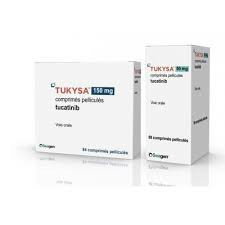
It is worth mentioning that, unlike monoclonal antibodies, tucatinib has the ability to penetrate the blood-brain barrier, which may be why it performs well in treating brain metastases that are resistant to monoclonal antibody-based anti-HER2 therapies. By 2023, the treatment scope of tucatinib combined with trastuzumab will be further expanded to include refractory HER2-positive, advanced unresectable metastatic colorectal cancer.
Tucatinib is available in two tablet specifications: 50 mg and 150 mg, with the trade name Tukysa. The recommended dosage is 300 mg twice daily until disease progression or unacceptable toxicity occurs.
However, tucatinib treatment also comes with some side effects. Nearly all patients who received tucatinib in combination with trastuzumab and capecitabine experienced some form of side effect, resulting in at least20% of patients requiring a dose adjustment or treatment interruption and 6% of patients requiring complete discontinuation of the drug. Common side effects include diarrhea, redness, swelling and pain on the palms and soles of the feet (also known as hand-foot syndrome), nausea, vomiting, abdominal pain, fatigue, etc. In addition, there are some uncommon but potentially serious adverse reactions, such as severe diarrhea, liver damage, and toxicity to the embryo and fetus. Of course, some of these side effects may be related to the concurrent use of trastuzumab and capecitabine.
Currently, because tucatinib has not yet been approved for marketing in China, it cannot be included in the scope of medical insurance reimbursement. It is understood that the price of original medicines in overseas markets is quite high, with a box of 60 150 mg medicines priced as high as 72,000 yuan. Fortunately, there are more reasonably priced generic drugs on the market for patients to choose from. For patients who want to know more about tucatinib, it is recommended to consult a regular overseas medical consulting company.
[ 免责声明 ] 本页面内容来自公开渠道(如FDA官网、Drugs官网、原研药厂官网等),仅供持有医疗专业资质的人员用于医学药学研究参考,不构成任何治疗建议或药品推荐。所涉药品可能未在中国大陆获批上市,不适用于中国境内销售和使用。如需治疗,请咨询正规医疗机构。本站不提供药品销售或代购服务。


