
.jpeg)
Tucatinib vs. pyrotinib: A comparison of drugs for the treatment of HER2-positive breast cancer
In the treatment fieldof HER2-positive breast cancer, tucatinib and pyrotinib both occupy an important position. Although both are targeted therapies for this condition, they have their own characteristics and are suitable for different patient groups and treatment scenarios.
Tucatinib has attracted attention due to its high target selectivity forHER2. It can precisely inhibit the growth of tumor cells overexpressing HER2 and exhibit significant anti-tumor activity. It is worth mentioning that tucatinib has shown excellent results in the treatment of brain metastases, mainly due to its excellent ability to enter the brain. For many patients with advanced breast cancer whose disease has progressed after multiple treatment options, the emergence of tucatinib has undoubtedly brought them new hope and helped to significantly extend their survival. However, the use of tucatinib may also be associated with some side effects, such as diarrhea, nausea, etc., so patients need to use it under the guidance of a doctor.
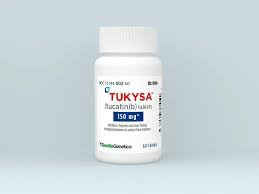
Pyrotinib is a multi-target tyrosine kinase inhibitor, its scope of action is not limited toHER2, but also includes other important targets such as EGFR. This multi-target property makes pyrotinib potentially advantageous in the treatment of complex or refractory breast cancer. At the same time, pyrotinib can also penetrate into the central nervous system and play a certain therapeutic role in brain metastasis or meningeal metastasis. Compared with tucatinib, the side effects of pyrotinib may be relatively mild, but the specific response still needs to be evaluated based on individual patient differences.
When choosing tucatinib or pyrotinib, doctors need to comprehensively consider factors such as the patient's disease status, previous treatment history, physical condition, and tolerance to drug side effects. Therefore, it is not possible to simply judge which drug is superior. For patients, maintaining close communication with their doctors and fully understanding their condition and treatment options is the key to making the best treatment decision.
In summary, tucatinib and pyrotinib are both effective breast cancer treatments, each with unique advantages. The choice of drug should be based on the patient's specific situation and the professional advice of the doctor.
[ 免责声明 ] 本页面内容来自公开渠道(如FDA官网、Drugs官网、原研药厂官网等),仅供持有医疗专业资质的人员用于医学药学研究参考,不构成任何治疗建议或药品推荐。所涉药品可能未在中国大陆获批上市,不适用于中国境内销售和使用。如需治疗,请咨询正规医疗机构。本站不提供药品销售或代购服务。


