
.jpeg)
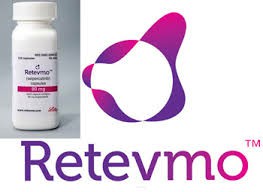
Serpatinib Medication Guide
Serputinib, also known as serpatinib, is an innovative targeted therapy that brings new hope to many cancer patients. This drug has attracted widespread attention in the medical community due to its high selectivity and potency. Especially for the treatment of non-small cell lung cancer and thyroid cancer, seputinib has shown significant efficacy.
Selpatinib is an oral inhibitor that specifically targets theRET gene. The RET gene is abnormal in some cancers, causing cancer cells to proliferate uncontrollably. Seputinib can precisely inhibit the abnormal activation of the RET gene, thereby blocking the growth and spread of cancer cells. This mechanism makes seputinib a powerful weapon against RET fusion-positive metastatic non-small cell lung cancer and medullary thyroid cancer.
Usual adult doses for non-small cell lung cancer:
Less than 50 kg: 120 mg PO twice daily (approximately every 12 hours) until disease progression or unacceptable toxicity
50 kg or more: 160 mg PO twice daily (approximately every 12 hours) until disease progression or unacceptable toxicity
Usage: Treatment of adult patients with metastatic RET fusion-positive non small cell lung cancer (NSCLC)
Usual adult doses for thyroid cancer:
Less than 50 kg: 120 mg PO twice daily (approximately every 12 hours) until disease progression or unacceptable toxicity
50 kg or more: 160 mg PO twice daily (approximately every 12 hours) until disease progression or unacceptable toxicity
-For the treatment of adult patients with advanced or metastatic RET-mutant medullary thyroid carcinoma (MTC) requiring systemic therapy.
-For the treatment of adult patients with advanced or metastatic RET fusion-positive thyroid cancer who require systemic therapy and are refractory to radioactive iodine (if radioactive iodine is appropriate)
Common pediatric doses for thyroid cancer:
12 years and older:
Weight less than 50 kg: 120 mg PO twice daily (approximately every 12 hours) until disease progression or unacceptable toxicity occurs
12 years and older:
50 kg or more: 160 mg PO 2 times daily (approximately every 12 hours)
Purpose:
-For the treatment of pediatric patients 12 years of age and older with advanced or metastatic RET-mutant medullary thyroid carcinoma (MTC) who require systemic therapy
- For the treatment of pediatric patients 12 years of age and older with advanced or metastatic RET-mutant medullary thyroid carcinoma (MTC)
Patient requires systemic therapy and has metastatic disease refractory to radioactive iodine RET fusion-positive thyroid cancer (if radioactive iodine is appropriate)
Despite its outstanding efficacy, patients still need to pay attention to possible side effects during use. Common side effects include high blood pressure, gastrointestinal effects such as nausea and diarrhea, and liver damage. Additionally, pregnant and breastfeeding women should use this drug with caution as it may cause harm to the fetus.
The emergence of seputinib provides a new treatment strategy for cancer patients with RET gene abnormalities. Its excellent efficacy and relatively good safety make it widely used in clinical practice. However, as with all drugs, rational use and close monitoring of side effects are key to ensuring their therapeutic effectiveness. When using Seputinib, patients should follow medical advice and undergo regular examinations to ensure that the drug is maximally effective and to protect personal health.
[ 免责声明 ] 本页面内容来自公开渠道(如FDA官网、Drugs官网、原研药厂官网等),仅供持有医疗专业资质的人员用于医学药学研究参考,不构成任何治疗建议或药品推荐。所涉药品可能未在中国大陆获批上市,不适用于中国境内销售和使用。如需治疗,请咨询正规医疗机构。本站不提供药品销售或代购服务。


