
.jpeg)
Detailed explanation of how to take regorafenib and its side effects
Regorafenib, as a highly effective targeted therapy, provides new treatment hope for patients with refractory tumors such as metastatic colorectal cancer, gastrointestinal stromal tumors, and hepatocellular carcinoma. To ensure the effectiveness and safety of medications, correct administration and understanding of their side effects are crucial.
1. How to take:
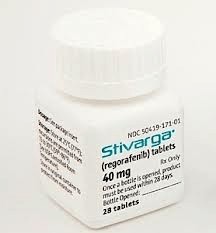
The recommended dose of regorafenib is160 mg (i.e. four 40 mg tablets) taken orally once daily for the first 21 days of each 28-day cycle. Patients need to take it at the same time every day to ensure a stable concentration of the drug in the body. To take, swallow the tablets whole with water after a low-fat meal that contains less than 600 calories and less than 30% fat. If you miss a dose, do not take two doses on the same day to make up for it, but continue with the next dose as originally planned. If the dose needs to be adjusted, it should be reduced in increments of 40 mg (one tablet), with the lowest recommended daily dose being 80 mg.
2. Side effects and countermeasures:
Although regorafenib has a significant therapeutic effect, it may also be associated with some side effects. Common side effects include diarrhea, nausea, stomach pain, loss of appetite, weight loss, increased blood pressure, fever, infection, and abnormal liver function tests. In addition, patients may experience symptoms such as pain in the mouth or throat, hoarseness, and feeling weak or tired.
For serious side effects, patients should contact their doctor immediately. Get emergency medical help if you develop an allergic reaction (hives, difficulty breathing, swelling of the face or throat) or a severe skin reaction (fever, sore throat, burning eyes, skin pain, red or purple rash with blistering and peeling skin). Regorafenib may also cause serious or life-threatening liver problems, so if you develop symptoms such as nausea, vomiting, sleep problems, dark urine, or jaundice (yellowing of the skin or eyes), you should seek immediate medical attention.
Other serious side effects to watch for include headache, confusion, vision changes, seizures, pain on the palms or soles of the feet, blisters, bleeding, or severe rash, as well as heart problems, increased blood pressure, stomach or intestinal perforation, severe bleeding, and infection. For these symptoms, patients should also contact their doctor immediately.
In short, regorafenib is an effective targeted therapy, but correct administration and understanding of side effects are the keys to ensuring therapeutic efficacy and safety. Patients should strictly follow the doctor's instructions during use, pay close attention to changes in condition and occurrence of side effects, and communicate with the doctor in a timely manner so that the treatment plan can be adjusted in a timely manner.
[ 免责声明 ] 本页面内容来自公开渠道(如FDA官网、Drugs官网、原研药厂官网等),仅供持有医疗专业资质的人员用于医学药学研究参考,不构成任何治疗建议或药品推荐。所涉药品可能未在中国大陆获批上市,不适用于中国境内销售和使用。如需治疗,请咨询正规医疗机构。本站不提供药品销售或代购服务。


