
.jpeg)
What are the side effects and contraindications of regorafenib?
Regorafenib, as a new multi-target tyrosine kinase inhibitor, plays an important role in anti-tumor treatment. However, any drug has its side effects and contraindications, and regorafenib is no exception. Understanding these side effects and contraindications is critical to safe and rational use of medications by patients.
The main side effects of regorafenib include:
1. Skin toxicity: Patients may experience skin reactions on their hands and feet, such as erythema, pain, numbness and peeling, which may affect daily life in severe cases.
2. Gastrointestinal reactions: Diarrhea, nausea, vomiting, loss of appetite, etc. are common symptoms, which may lead to dehydration and electrolyte imbalance in severe cases.
3. Hypertension: Regorafenib can cause an increase in blood pressure, which requires regular monitoring and timely treatment.
4. Fatigue and fatigue: Patients may feel persistent fatigue, affecting quality of life and work efficiency.
5. Liver damage: Some patients may suffer from liver damage, and severe cases may even lead to liver failure, so liver function needs to be monitored regularly.
6. Others: Serious side effects such as bleeding tendency, cardiac ischemia, and leukoencephalopathy require immediate medical attention.
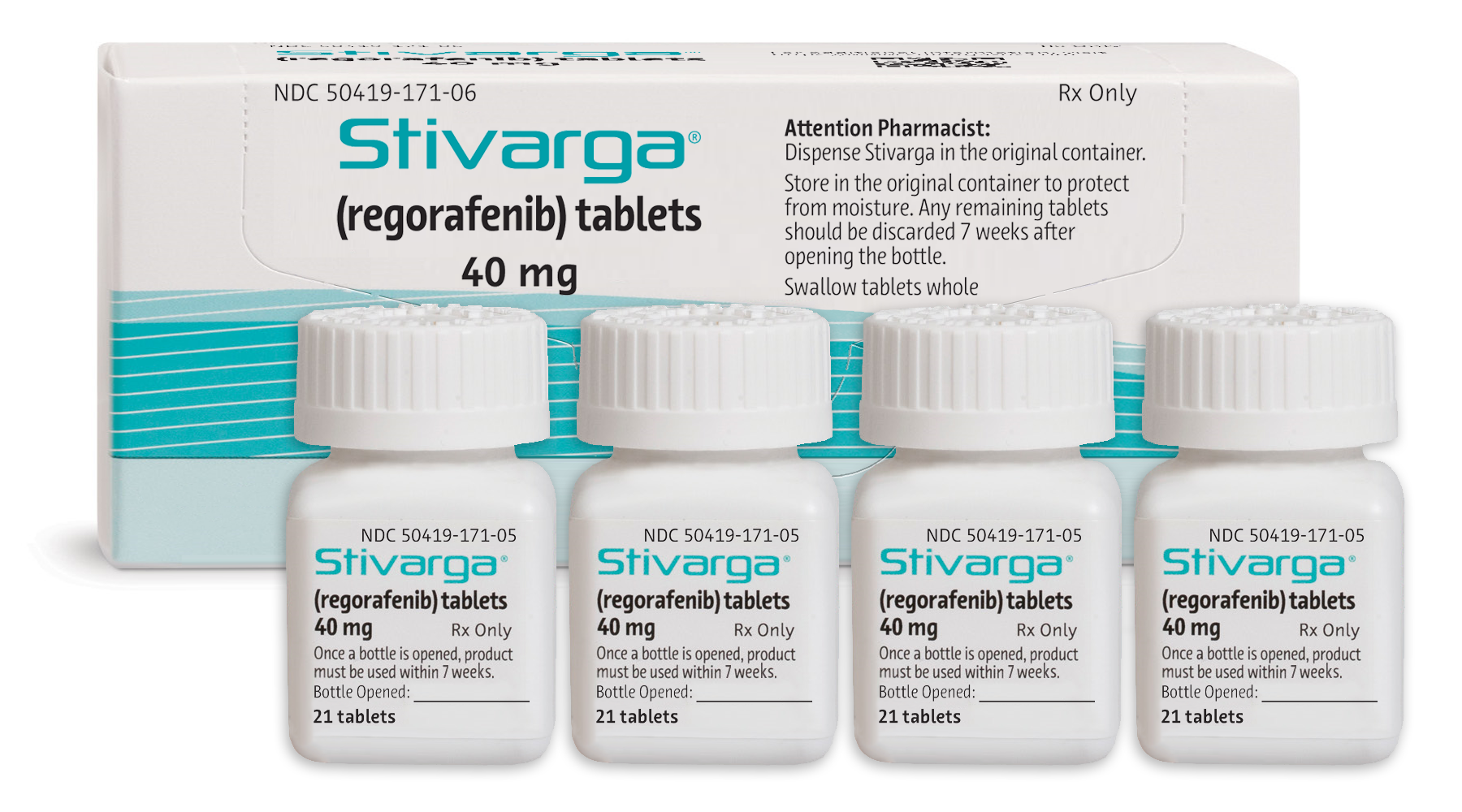
Contraindications of regorafenib mainly include:
1. Patients allergic to drug ingredients: It is prohibited for patients allergic to regorafenib or any of its ingredients to avoid severe allergic reactions.
2. Patients with severe liver dysfunction: Since regorafenib is mainly metabolized by the liver, liver dysfunction may lead to drug accumulation and increase the risk of adverse reactions.
3. Pregnant and lactating women: Regorafenib may have adverse effects on the fetus or infant, so it is contraindicated in pregnant and lactating women.
4. Unhealed wounds or recovery period from major surgery: Using regorafenib at this time may increase the risk of wound dehiscence or infection.
5. Patients with specific diseases: For example, patients who suffer from or may develop QT interval prolongation, patients with significant risk of bleeding, patients with myocardial dysfunction, etc., the use of regorafenib should be used with caution or avoided.
To sum up, as an effective anti-tumor drug, regorafenib brings therapeutic hope but also has certain side effects and contraindications. Patients should fully understand this information before use and use the medication rationally under the guidance of a doctor to ensure safe and effective treatment. At the same time, the body's reaction should be closely monitored during treatment, and if there is any discomfort, seek medical attention in time.
[ 免责声明 ] 本页面内容来自公开渠道(如FDA官网、Drugs官网、原研药厂官网等),仅供持有医疗专业资质的人员用于医学药学研究参考,不构成任何治疗建议或药品推荐。所涉药品可能未在中国大陆获批上市,不适用于中国境内销售和使用。如需治疗,请咨询正规医疗机构。本站不提供药品销售或代购服务。


