
.jpeg)
Can tumors be completely eliminated with imatinib treatment?
Imatinib, a widely used targeted drug, has shown significant efficacy in the treatment of tumor diseases such as chronic myelogenous leukemia (CML) and gastrointestinal stromal tumors (GIST). Its unique mechanism of action is that by inhibiting the activity of BCR-ABL tyrosine kinase, this abnormal protein caused by gene mutations can be controlled, thereby blocking the proliferation and division of tumor cells.
For chronic myelogenous leukemia, the intervention of imatinib can often quickly control the disease and significantly reduce the number of leukemia cells. In some patients, complete remission can even be achieved, that is, abnormal leukemia cells can no longer be detected in the blood and the bone marrow has returned to normal. However, it is worth noting that complete remission does not mean that the leukemia cells have been completely eliminated, but the patient needs to continue taking imatinib to maintain stable disease and prevent recurrence.
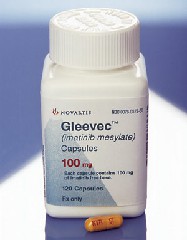
In the treatment of gastrointestinal stromal tumors, imatinib has also shown excellent efficacy. It can not only effectively reduce tumor volume, but also delay the progression of the disease to a certain extent. For those patients who are eligible for surgery, long-term use of imatinib after surgery can significantly reduce the risk of recurrence. However, whether the tumor can completely disappear depends on a variety of factors, such as the size and location of the tumor, the timing of treatment, and the patient's sensitivity to drugs.
Although imatinib brings significant survival benefits to patients, it does not guarantee complete tumor eradication in all patients. Some patients may develop drug resistance after long-term medication, causing tumor cells to proliferate again. Therefore, regular evaluation of treatment effects and timely adjustment of treatment plans are crucial to ensuring long-term efficacy for patients.
As a highly efficient targeted drug, imatinib is excellent at controlling and shrinking tumors, but whether the tumors can completely disappear still needs to be judged based on the patient's specific situation and treatment response. Continuous treatment and medical monitoring are key to ensuring long-term patient outcomes.
[ 免责声明 ] 本页面内容来自公开渠道(如FDA官网、Drugs官网、原研药厂官网等),仅供持有医疗专业资质的人员用于医学药学研究参考,不构成任何治疗建议或药品推荐。所涉药品可能未在中国大陆获批上市,不适用于中国境内销售和使用。如需治疗,请咨询正规医疗机构。本站不提供药品销售或代购服务。


