
.jpeg)
How long does it take to achieve disease control with imatinib?
Imatinib is a targeted drug specially designed for tumor diseases such as chronic myelogenous leukemia (CML) and gastrointestinal stromal tumor (GIST). Although its therapeutic effect is widely praised, the duration of its treatment, that is, how long a patient needs to take it to achieve long-term control or cure of the disease, is a complex issue that varies from person to person and from disease to disease.
For chronic myeloid leukemia, imatinib effectively inhibits the malignant proliferation of leukemia cells by precisely inhibiting the BCR-ABL tyrosine kinase. After receiving treatment, most patients can see a significant decrease in the number of leukemia cells and even achieve complete hematological or molecular remission. However, this does not mean that patients can stop taking the medication immediately. In order to consolidate the curative effect and prevent recurrence, most patients need to take imatinib for a long time or even for life. Typically, doctors will recommend that patients continue treatment for at least 3-5 years, with regular evaluation of the effectiveness during this period. Only if the patient is stable in long-term remission will doctors consider adjusting the dose or attempting to discontinue the drug under close monitoring, but this opportunity only applies to a small number of patients.
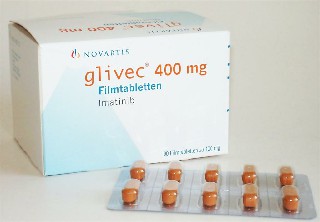
For patients with gastrointestinal stromal tumors, imatinib can also play a significant role, especially in postoperative adjuvant treatment, it can effectively shrink tumors and reduce the risk of recurrence. For patients who are lucky enough to undergo surgical resection, treatment with imatinib usually lasts for 3 years or longer. For patients who cannot undergo surgery, they may need to take long-term or even lifelong medication to control tumor growth. The specific duration of treatment needs to be comprehensively determined based on factors such as the size and location of the tumor and the patient's tolerance to the drug.
Imatinib treatment is a long-term process, especially in the treatment of chronic myelogenous leukemia. Although it can effectively control the disease and even achieve complete remission in some patients, the risk of discontinuation is still high. Therefore, in order to ensure the durability of the effect, most patients need to adhere to the medication for a long time.
[ 免责声明 ] 本页面内容来自公开渠道(如FDA官网、Drugs官网、原研药厂官网等),仅供持有医疗专业资质的人员用于医学药学研究参考,不构成任何治疗建议或药品推荐。所涉药品可能未在中国大陆获批上市,不适用于中国境内销售和使用。如需治疗,请咨询正规医疗机构。本站不提供药品销售或代购服务。


