
.jpeg)
How to choose between dacomitinib and afatinib
Dacomitinib, as an innovative drug in the field of lung cancer treatment, plays an important role in the treatment of EGFR mutant non-small cell lung cancer (NSCLC) with its unique molecular structure and mechanism of action. As a second-generation EGFR tyrosine kinase inhibitor, dacomitinib can irreversibly bind to EGFR and effectively block the growth signals of tumor cells, thus inhibiting the development and spread of tumors.
Dacomitinib has demonstrated significant therapeutic effects in clinical applications, extending survival and improving quality of life for many patients. However, when choosing a treatment plan, patients and doctors often need to consider a variety of factors, including the patient's specific condition, genetic mutations, drug efficacy and side effects, etc.
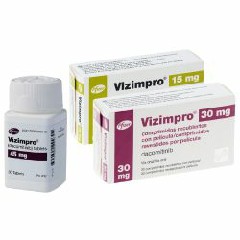
Compared with afatinib, dacomitinib has its unique advantages in some aspects. First, as a second-generation EGFR-TKI, dacomitinib may have higher selectivity and affinity in inhibiting EGFR activity, which may lead to stronger anti-tumor effects. Secondly, dacomitinib has a wide range of indications. It is not only suitable for patients with EGFR mutation-positive non-small cell lung cancer, but may also have certain therapeutic potential for other types of lung cancer and certain other cancers. However, it is worth noting that dacomitinib and afatinib may also have differences in therapeutic efficacy and side effects, and the specific choice of which drug needs to be evaluated based on the patient's specific situation.
In addition, when receiving dacomitinib treatment, patients need to pay close attention to their body's reaction and communicate with their doctors in a timely manner. If any discomfort or side effects occur, your doctor should be informed promptly so that the treatment plan can be adjusted. At the same time, patients should also undergo standardized genetic testing under the guidance of a doctor to determine whether there are sensitive genes such as EGFR mutations to ensure the effectiveness and safety of treatment.
In summary, dacomitinib, as an efficient and precise targeted therapy for lung cancer, provides a new treatment option for patients with EGFR mutant non-small cell lung cancer. However, when choosing a treatment option, patients and doctors need to consider a variety of factors to ensure that patients receive the best possible treatment and quality of life.
[ 免责声明 ] 本页面内容来自公开渠道(如FDA官网、Drugs官网、原研药厂官网等),仅供持有医疗专业资质的人员用于医学药学研究参考,不构成任何治疗建议或药品推荐。所涉药品可能未在中国大陆获批上市,不适用于中国境内销售和使用。如需治疗,请咨询正规医疗机构。本站不提供药品销售或代购服务。


