
.jpeg)
How effective is dacomitinib treatment?
Dacomitinib, an innovative targeted therapy drug, is a drug for the treatment of lung cancer. The U.S. FDA's approval was based on the rigorous and comprehensive ARCHER 1050 clinical trial, which recruited 452 patients with untreated, unresectable metastatic non-small cell lung cancer (NSCLC). They all carried specific mutations of the EGFR gene - exon 19 deletion or exon 21 L858R substitution mutation, and were in good physical condition and suitable for high-intensity treatment.
In this randomized, multicenter, open-label trial, dacomitinib's unique mechanism of action was compared directly with classic gefitinib (250 mg orally daily) at a once-daily 45 mg oral dose. The trial results showed that patients in the dacomitinib group achieved a significant advantage in progression-free survival, with a median progression-free survival of 14.7 months, compared with only 9.2 months in the gefitinib group. This data not only highlights dacomitinib's excellent performance in prolonging patient survival, but also further consolidates its position in the first-line treatment of EGFR-mutated NSCLC.
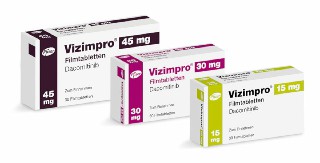
The reason dacomitinib is able to achieve such significant efficacy is due to its properties as an irreversible EGFR tyrosine kinase inhibitor. It can potently and persistently inhibit the activity of EGFR, thereby blocking the growth and spread signaling pathways of tumor cells. This precise and efficient treatment method makes dacomitinib an important treatment option for patients with EGFR mutant NSCLC.
Of course, any medication has its potential side effects and risks. During dacomitinib treatment, patients may experience adverse reactions such as rash, diarrhea, and anemia. However, it is gratifying that most of these adverse reactions are within controllable range and can be effectively managed through timely adjustments by doctors and active cooperation of patients.
In summary, dacomitinib, with its excellent efficacy and relatively controllable side effects, has shown great potential and broad application prospects in the treatment of EGFR mutant NSCLC. For eligible patients, dacomitinib is undoubtedly a treatment option worth considering and looking forward to.
[ 免责声明 ] 本页面内容来自公开渠道(如FDA官网、Drugs官网、原研药厂官网等),仅供持有医疗专业资质的人员用于医学药学研究参考,不构成任何治疗建议或药品推荐。所涉药品可能未在中国大陆获批上市,不适用于中国境内销售和使用。如需治疗,请咨询正规医疗机构。本站不提供药品销售或代购服务。


