
.jpeg)
Seputinib vs Platinib: Which is better for RET-targeted therapy?
In the field of RET targeted therapy, both seputinib and platinib have attracted much attention. They provide new treatment opportunities for patients with RET gene fusion-positive cancers, especially patients with non-small cell lung cancer (NSCLC).
From a mechanism of action point of view, seputinib is a reversible RET inhibitor, while platinib is irreversible, which means that there are differences in the way they inhibit RET kinase activity, which may affect the therapeutic effect and side effects.
In terms of indications, both are targeting RETgene fusion-positive NSCLC, but the indications of seputinib seem to be broader, including RETmutated medullary thyroid cancer. This provides patients with more treatment options.
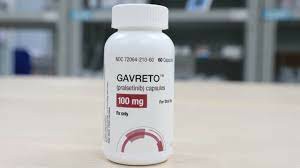
In terms of efficacy, although both have shown significant anti-tumor activity, some studies have shown that seputinib performed better on certain key indicators, such as progression-free survival. This means that seputinib may be a better option for patients seeking longer-term stable disease.
Security is also an important factor to consider. Both drugs were well tolerated in clinical trials, but the types and incidence of adverse reactions differed. Therefore, when choosing, doctors need to weigh the patient's specific conditions and tolerance.
The issue of drug resistance cannot be ignored either. Sepretinib may be an effective alternative treatment for patients who are resistant to platinib, providing new hope for those who have failed initial treatment.
In summary, both seputinib and platinib are excellentRET targeted therapy drugs, each with its own merits. When selecting, the patient's specific condition, treatment goals, and individual response to and tolerance of the drug should be fully considered.
[ 免责声明 ] 本页面内容来自公开渠道(如FDA官网、Drugs官网、原研药厂官网等),仅供持有医疗专业资质的人员用于医学药学研究参考,不构成任何治疗建议或药品推荐。所涉药品可能未在中国大陆获批上市,不适用于中国境内销售和使用。如需治疗,请咨询正规医疗机构。本站不提供药品销售或代购服务。


