
.jpeg)
What is the recurrence rate after bedaquiline cure?
Bedaquiline (Bedaquiline) is a new anti-tuberculosis drug used to treat multidrug-resistant tuberculosis (MDR-TB), which has shown significant efficacy in clinical applications. Regarding the recurrence rate after bedaquiline cure, the current research results show that although bedaquiline has a good effect in improving the cure rate, the risk of recurrence still exists.
Bedaquiline is a shorter, better tolerated, and more effective tuberculosis treatment regimen that is currently recommended by the World Health Organization (WHO) for tuberculosis patients of all ages. The currently recommended bedaquiline-containing treatment is fully oral and lasts for six months (24 weeks) and can cure up to 89% of patients with drug-resistant tuberculosis (DR-TB). This is a vast improvement over past treatments, which had to last 18 months, involved painful daily injections and often caused severe side effects.
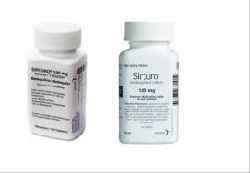
According to some clinical studies, bedaquiline can be used in combination with other anti-tuberculosis drugs. This combined treatment regimen reduces the risk of developing drug-resistant strains to a certain extent, thereby improving the cure rate of patients. However, the recurrence rate is affected by multiple factors, including the patient's underlying health status, the characteristics of the drug-resistant strains, compliance with treatment, and follow-up management.
Relapse after successful treatment of MDR-TB is challenging because retreatment options are limited. In a nationwide cohort study, relapse rates were analyzed among 295,000,000 patients with MDR-TB. Over a median follow-up of 4.8 years, 3% of patients experienced a relapse of MDR-TB. The overall recurrence rate was 0.6 cases/1,000 person-months. When the analysis was limited to the 73% of patients with second-line drug susceptibility testing, cavitation (aHR=10.2; 95% CI, 1.2-89) and resistance patterns in extensively drug-resistant tuberculosis (XDR-TB) or pre-XDR-TB (aHR=7.3; 95% CI, 1.2-44) were associated with an increased risk of MDR-TB relapse.
Relapse rates may be higher in certain high-risk groups, such asHIV-positive patients or individuals with other comorbidities. Therefore, comprehensive follow-up and monitoring are crucial for these patients. Some studies suggest that relapse may be related to latent infection, drug resistance, and incomplete treatment. Although bedaquiline is effective in inhibiting the growth of Mycobacterium tuberculosis, once treatment is completed, if patients do not receive continuous monitoring and intervention, it may lead to the reactivation of latent strains, leading to relapse.
[ 免责声明 ] 本页面内容来自公开渠道(如FDA官网、Drugs官网、原研药厂官网等),仅供持有医疗专业资质的人员用于医学药学研究参考,不构成任何治疗建议或药品推荐。所涉药品可能未在中国大陆获批上市,不适用于中国境内销售和使用。如需治疗,请咨询正规医疗机构。本站不提供药品销售或代购服务。


