
.jpeg)
Imatinib has significant efficacy but requires careful analysis of side effects
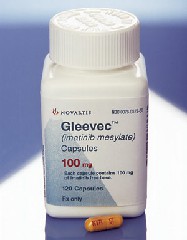
Imatinib (Imatinib), a highly anticipated targeted therapy drug in the field of cancer treatment, has brought hope of life to countless patients with its remarkable efficacy against chronic myelogenous leukemia (CML), gastrointestinal stromal tumor (GIST) and other specific cancers. However, like all drugs, imatinib may be accompanied by a series of side effects while exerting therapeutic effects. This article aims to provide an in-depth discussion of the possible side effects of imatinib and provide corresponding management strategies to help patients better cope with the challenges during treatment.
1. Digestive system side effects and coping strategies
Digestive side effects of imatinib are common, including nausea, vomiting, and diarrhea. Nausea and vomiting often occur early in treatment or during dose adjustments, and patients may be relieved by taking anti-nausea medications such as 5-HT3 receptor antagonists (eg, ondansetron). Also, taking medications with food or immediately after meals, and avoiding greasy and spicy foods, can also help reduce discomfort. For patients with diarrhea, anti-diarrhea drugs such as loperamide (Imodium) can effectively control symptoms. At the same time, they should avoid eating foods containing dairy products and high fiber, and maintain adequate fluids to prevent dehydration.
2. Skin side effects and care suggestions
Imatinib may also cause skin side effects such as rash and edema. The rash usually appears as red macules or papules, and mild rashes may relieve itching with over-the-counter antihistamines or topical medications. Patients should avoid wearing irritating clothing and using irritating skin care products to avoid aggravating symptoms. Edema may involve the eyelids or extremities. Elevating the position of the limbs and monitoring weight can help detect and deal with fluid retention problems in time.
3. Blood system side effects and monitoring measures
The impact of imatinib on the blood system cannot be ignored and may lead to anemia, leukopenia and thrombocytopenia. Patients with anemia may feel tired and weak, so it is necessary to regularly monitor blood routine and supplement iron or vitaminsB12 according to the doctor's recommendations. Leukopenia may increase the risk of infection, and patients should avoid contact with infected people and practice good hygiene. Thrombocytopenia may lead to bleeding tendencies, and patients should avoid high-risk activities and have blood indicators checked regularly.
4. Liver and cardiovascular side effects and prevention strategies
Imatinib may also have effects on the liver and cardiovascular system. Abnormal liver function manifests as elevated levels of liver enzymes, and regular liver function testing is key as well as avoiding alcohol and medications that may burden the liver. In terms of cardiovascular side effects, although heart failure is rare, if it occurs, immediate medical treatment and cardiac function monitoring are required. Some patients may experience elevated blood pressure, and regular monitoring of blood pressure and use of antihypertensive drugs when necessary are effective management methods.
5. Other common side effects and life adjustments
In addition to the systemic side effects noted above, imatinib may cause systemic symptoms such as fatigue, weakness, headache, and dizziness. Patients can increase their physical strength by arranging their work and rest schedules appropriately, ensuring adequate rest, and engaging in moderate physical activity. Maintaining adequate fluid intake can help relieve headache and dizziness symptoms. If the headache continues to be severe, you should consult a doctor promptly.
As a representative of targeted therapy drugs, imatinib’s efficacy has been widely recognized. However, management of side effects is equally important. Patients should work closely with their doctors, monitor their physical condition regularly, and promptly report any symptoms of discomfort. Doctors should adjust drug dosage or take other treatment measures according to the severity of side effects to minimize the impact of side effects on the patient's quality of life. Overall, the side effects of imatinib are mostly manageable, and many will lessen or disappear as treatment progresses. Through scientific management and positive life adjustments, patients can better cope with the challenges during treatment and improve their quality of life.
[ 免责声明 ] 本页面内容来自公开渠道(如FDA官网、Drugs官网、原研药厂官网等),仅供持有医疗专业资质的人员用于医学药学研究参考,不构成任何治疗建议或药品推荐。所涉药品可能未在中国大陆获批上市,不适用于中国境内销售和使用。如需治疗,请咨询正规医疗机构。本站不提供药品销售或代购服务。


