
.jpeg)
Imatinib usage guidelines and precautions
1. Overview of basic drug information
Drug name: Imatinib (Imatinib), trade names often include Gleevec (Gleevec), etc.
Drug classification: As a tyrosine kinase inhibitor, imatinib occupies an important position in cancer treatment.
2. Broad indications of imatinib
Due to its unique pharmacological effects, imatinib is widely used in the treatment of the following cancers:
1.Chronic myelogenous leukemia (CML): Whether in the chronic phase, accelerated phase or blast phase, imatinib has shown significant efficacy.
2.Gastrointestinal stromal tumor (GIST): Imatinib has become an important treatment option for cases that relapse after surgery or are unresectable.
3.Specific acute lymphoblastic leukemia (ALL): Imatinib provides an effective treatment for BCR-ABL fusion gene-positive cases.
4.Other tumors caused by BCR-ABL gene mutations: Based on the doctor’s clinical judgment, imatinib can also be used to treat such tumors.
3. In-depth analysis of imatinib’s mechanism of action
Imatinib exerts its therapeutic effect through the following three major mechanisms:
1.Inhibition ofBCR-ABLtyrosine kinase: Imatinib can selectively bind toBCR-ABLtyrosine kinase and block itATPbinding site, thereby inhibiting its activity.
2.Interfering with cancer cell signaling: By blocking key signaling pathways in cancer cells, imatinib effectively inhibits the proliferation and growth of cancer cells.
3.Promote cancer cell apoptosis: Imatinib can inhibit the proliferation signals of cancer cells, thereby promoting the apoptosis process of cancer cells.
4. Pharmacological properties of imatinib
1.Drug metabolism: Imatinib is mainly metabolized by the liver in the body, in which the CYP3A4enzyme system plays a key role.
2.Drug excretion: Most drugs are excreted through bile, and a small amount is excreted through urine.
3.Half-life: The half-life of imatinib is approximately18 hours, supporting a once-daily dosing regimen.
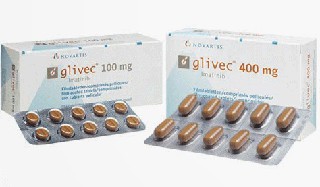
5. Detailed explanation of the dosage and usage of imatinib
1.Adult medication:
Recommended dosage: Generally 400mg daily.
How to take: Take with food to reduce gastrointestinal discomfort. The medicine needs to be swallowed whole.
2.Children’s medication:
Recommended dose: Usually based on body weight, initial dose is 350mg/m² daily.
Dose adjustment: If serious side effects occur, the dose should be adjusted according to the doctor's advice.
6. Common side effects and countermeasures of imatinib
Common side effects of imatinib include:
1.Digestive system reactions: such as nausea, vomiting, diarrhea, etc., can be alleviated by adjusting diet and taking relevant drugs.
2.Skin problems: such as rashes, itching, etc., can be treated with antihistamines or topical medications.
3.Abnormalities of the blood system: such as anemia, leukopenia, etc. Blood routine needs to be monitored regularly and corresponding treatment measures need to be taken.
4.Liver effects: It may cause an increase in liver enzyme levels, and liver function needs to be monitored regularly.
5.Cardiovascular problems: such as high blood pressure, heart failure, etc., cardiac function and blood pressure need to be closely monitored.
7. Warnings and precautions for using imatinib
1.Liver function monitoring: Monitor liver function regularly, especially when symptoms such as fatigue and jaundice occur.
2.Cardiovascular system monitoring: Patients with a history of cardiovascular disease should be closely monitored.
3.Risk of infection: Pay attention to preventing infection and take appropriate precautions.
4.Bleeding tendency: If bleeding or bruising occurs, seek medical attention promptly.
5.Medication compliance: Avoid adjusting the dosage or stopping the medication on your own. Any adjustments should be made under the guidance of a doctor.
8. Contraindications of imatinib and medication guidance for special populations
1.Contraindications: Hypersensitivity to imatinib or its components, pregnant and lactating women.
2.Medicine for special groups:
Geriatric: Adjust dose as tolerated and monitor closely for side effects.
Patients with liver and kidney function impairment: Adjust the dose according to specific conditions, and regularly monitor drug concentration and side effects.
Pregnant and nursing women: The use of imatinib is generally not recommended, and nursing women should decide whether to discontinue breastfeeding after weighing the risks and benefits.
9. Drug interaction analysis of imatinib
Imatinib may interact with certain drugs, such as:
1.CYP3A4Enzyme inhibitors: may increase the plasma concentration of imatinib.
2.CYP3A4Enzyme inducers: may reduce the plasma concentration of imatinib.
3.Anticoagulant drugs: such as warfarin, may increase the risk of bleeding.
Therefore, you should consult your doctor or pharmacist while using imatinib to make sure there are no potential drug interactions.
To sum up, imatinib, as a targeted therapy drug, plays an important role in cancer treatment. Understanding its indications, mechanism of action, side effects and precautions can help optimize treatment effects and reduce side effects. Patients should use imatinib under the guidance of a doctor and regularly monitor their physical condition during treatment.
[ 免责声明 ] 本页面内容来自公开渠道(如FDA官网、Drugs官网、原研药厂官网等),仅供持有医疗专业资质的人员用于医学药学研究参考,不构成任何治疗建议或药品推荐。所涉药品可能未在中国大陆获批上市,不适用于中国境内销售和使用。如需治疗,请咨询正规医疗机构。本站不提供药品销售或代购服务。


