
.jpeg)
What should I take after becoming resistant to erlotinib?
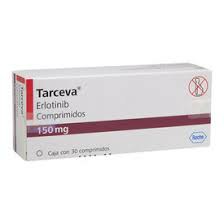
Erlotinib is a targeted drug commonly used to treat EGFR non-small cell lung cancer with gene mutations. However, after long-term use, some patients may develop drug resistance. When patients become resistant to erlotinib, how should patients choose subsequent treatment drugs? When resistance to erlotinib occurs, it is first recommended to perform genetic testing again. This is because the genes of tumor cells may change, causing original drugs to no longer be effective. Through genetic testing, we can understand the current genetic status of tumor cells and select more effective treatment drugs.
If genetic testing reveals theT790M mutation, third-generation targeted drugs such as osimertinib may be an effective option. Osimertinib has been shown to have good efficacy in patients positive for the T790M mutation.
If theT790M mutation is not found, other treatments such as chemotherapy, radiotherapy, or anti-angiogenic drugs can be considered. The specific choice should be determined based on the patient's specific situation and the doctor's advice.
In addition to changing medications, consider combining medications or trying new treatments to improve efficacy. For example, erlotinib can be used in combination with other drugs (such as chemotherapy drugs, immunotherapy, etc.) to produce better therapeutic effects. In addition, with the continuous advancement of medical research, new treatment methods and drugs are constantly emerging, and patients can discuss with their doctors a treatment plan that suits them.
Regardless of which treatment is chosen, patients should follow their doctor's instructions and closely monitor drug response and disease progression. If any discomfort or abnormal reaction occurs, you should report it to your doctor in time so that the treatment plan can be adjusted in time.
[ 免责声明 ] 本页面内容来自公开渠道(如FDA官网、Drugs官网、原研药厂官网等),仅供持有医疗专业资质的人员用于医学药学研究参考,不构成任何治疗建议或药品推荐。所涉药品可能未在中国大陆获批上市,不适用于中国境内销售和使用。如需治疗,请咨询正规医疗机构。本站不提供药品销售或代购服务。


