
.jpeg)
Can erlotinib be used in combination with chemotherapy?
Erlotinib can be used in combination with chemotherapy, and its effectiveness varies depending on factors such as the patient's condition, treatment regimen, and type of cancer.
Erlotinib is an epidermal growth factor receptor (EGFR) tyrosine kinase inhibitor (EGFR-TKI), mainly used to treat EGFR mutation-positive non-small cell lung cancer (NSCLC). Chemotherapy uses chemical drugs to kill or inhibit the growth of cancer cells. In some cases, doctors may choose to combine erlotinib with chemotherapy drugs in order to increase the effectiveness of the treatment.
In the FASTACT-2 study, EGFR mutation-positive or EGFRFor patients with non-small cell lung cancer whose mutation status is unknown, the treatment regimen of chemotherapy combined with erlotinib significantly prolonged the progression-free survival (PFS) and median overall survival (OS). Specifically, the median PFS in the chemotherapy plus erlotinib group was 7.6 months, which was significantly longer than the 6.0 in the chemotherapy plus placebo group. an> months; median OS were 18.3 months and 15.2 months respectively. This suggests that chemotherapy plus erlotinib is a viable treatment option for these patients.
In the field of neoadjuvant treatment, the immune combined chemotherapy model is applied to EGFR mutation-positive non-small cell lung cancer patients. Although targeted neoadjuvant therapy shows good results in tumor control, it is unsatisfactory in terms of pathological response. However, the neoadjuvant treatment model of immunotherapy combined with chemotherapy has brought longer survival benefits to patients. For example, a study that included 40 patients with driver gene-positive NSCLC showed that the neoadjuvant immune combined chemotherapy regimen showed certain clinical feasibility and good safety in early-stage EGFR mutation-positive NSCLC.
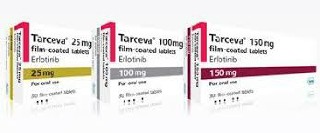
For patients with non-small cell lung cancer associated with brain metastases, chemotherapy combined with sequential erlotinib has also shown certain efficacy. There are case reports showing that patients with metastatic brain tumors treated with chemotherapy (such as pemetrexed+cisplatin) followed by erlotinib have achieved good efficacy and are well tolerated by the patients.
In the treatment of advanced cholangiocarcinoma, bevacizumab combined with erlotinib as a switching maintenance regimen improved the progression-free survival of patients with acceptable safety. This provides a reference for the use of erlotinib in combination with other drugs to treat other types of cancer.
In the treatment of advanced pancreatic cancer, erlotinib combined with chemotherapy (such as gemcitabine) has also shown significant clinical effects, which can effectively improve patients' clinical symptoms, reduce the incidence of adverse reactions, and improve clinical treatment effects.
Although the combination of erlotinib and chemotherapy can achieve better results in some cases, when using it, it is also necessary to pay attention to a comprehensive assessment of the patient before considering combined use, includingEGFR mutation status, tumor type, stage, and the patient's physical condition.
Combined use may increase the incidence of adverse reactions, so the patient's physical condition and adverse reactions need to be closely monitored and the treatment plan adjusted in a timely manner.
For different cancer types and patient conditions, the dosage of erlotinib and the chemotherapy regimen may need to be adjusted to achieve the best therapeutic effect.
[ 免责声明 ] 本页面内容来自公开渠道(如FDA官网、Drugs官网、原研药厂官网等),仅供持有医疗专业资质的人员用于医学药学研究参考,不构成任何治疗建议或药品推荐。所涉药品可能未在中国大陆获批上市,不适用于中国境内销售和使用。如需治疗,请咨询正规医疗机构。本站不提供药品销售或代购服务。


