
.jpeg)
How is the study evaluating the therapeutic effect of platinib on RET fusion lung cancer?
Platinib has demonstrated a high response rate and durable efficacy in the treatment ofRET fusion lung cancer. According to the latest data from the ARROW study, platinib achieved significant efficacy in both treatment-naive and treatment-experienced RET fusion-positive advanced NSCLC patients. The objective response rate (ORR) of newly treated patients is as high as 79%, and the disease control rate (DCR) is as high as 93%. The ORR of previously treated patients also reached 62% (treated with platinum-containing chemotherapy) and 73%
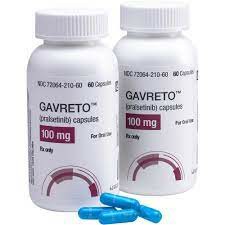
At the same time, the durability of platinib’s efficacy is also worthy of praise. In the ARROW study, the median progression-free survival (PFS) of treatment-naïve patients reached 13 months, while that of previously treated patients The median PFS was 16.5 months (platinum-based chemotherapy) and 12.8 months (non-platinum chemotherapy). These data show that platinib can not only quickly relieve the disease, but also maintain the stability of the disease for a longer period of time, bringing longer-lasting survival benefits to patients.
Platinib also demonstrated good safety and tolerability during treatment. According to clinical research data, common adverse events of platinib mainly include neutropenia, anemia, hypertension, etc., but most of them are grade 1~2, that is, mild to moderate. The discontinuation rate due to adverse events is also relatively low, indicating that patients can tolerate the drug treatment well.
Platinib, as the first globally approved RET inhibitor, provides a new treatment option for patients with RET fusion lung cancer. Its significant efficacy and good safety profile make platinib one of the standard treatment options for this type of patients in the future.
[ 免责声明 ] 本页面内容来自公开渠道(如FDA官网、Drugs官网、原研药厂官网等),仅供持有医疗专业资质的人员用于医学药学研究参考,不构成任何治疗建议或药品推荐。所涉药品可能未在中国大陆获批上市,不适用于中国境内销售和使用。如需治疗,请咨询正规医疗机构。本站不提供药品销售或代购服务。


