
.jpeg)
Is platinib effective in treating leukemia?
Platinib, as a tyrosine kinase inhibitor, has attracted widespread attention in the field of leukemia treatment in recent years. Its unique mechanism of action and significant clinical effects make platinib a new treatment option for leukemia patients.
Platinib can effectively block the signaling of the BCR-ABL protein that causes leukemia, thereby inhibiting the growth and reproduction of cancer cells. This mechanism of action has been widely validated in chronic myelogenous leukemia (CML) and Philadelphia chromosome-positive acute lymphoblastic leukemia (Ph+ ALL). Especially for the treatment of drug-resistant patients carrying T315I mutations, platinib has demonstrated higher inhibitory activity.
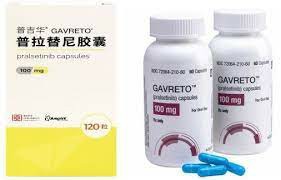
In multiple clinical studies, the effect of platinib in treating leukemia has been fully confirmed. For example, in one study, more than 80% of patients with CML who received platinib achieved a complete cytogenetic response (CCyR) after one year of treatment. For patients with refractory CML, especially those carrying the T315I mutation, platinib has also shown significant therapeutic effects. In addition, platinib can also effectively inhibit the activity of other oncogenic kinases, including vascular endothelial growth factor receptor (VEGFR), thus further broadening its therapeutic scope.
In addition to its remarkable therapeutic efficacy, platinib's safety and tolerability have also been widely recognized. Although some adverse events such as nausea, vomiting, rash, etc. may occur during use, these are mild to moderate reactions and may lessen or disappear over time. The relatively low incidence of serious adverse events makes platinib a relatively safe treatment option.
[ 免责声明 ] 本页面内容来自公开渠道(如FDA官网、Drugs官网、原研药厂官网等),仅供持有医疗专业资质的人员用于医学药学研究参考,不构成任何治疗建议或药品推荐。所涉药品可能未在中国大陆获批上市,不适用于中国境内销售和使用。如需治疗,请咨询正规医疗机构。本站不提供药品销售或代购服务。


