
.jpeg)
How to evaluate the efficacy of platinib in patients with RET mutated thyroid cancer?
Platinib, as a tyrosine kinase inhibitor targeting RET mutations, from the perspective of efficacy, platinib has demonstrated a high response rate and durable response in patients with RET mutated thyroid cancer. According to data from multiple clinical trials, the overall response rate (ORR) of patients with RETmutant thyroid cancer who received platinib treatment reached a significant level. This means that most patients’ tumors shrink or disappear significantly after receiving treatment. At the same time, the duration of response in these patients was also relatively long, indicating that platinib can bring sustained therapeutic effects to patients.
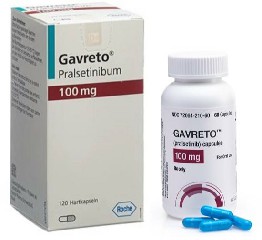
Platinib also performed well in improving patients' quality of life. Because thyroid cancer is often accompanied by various symptoms, such as neck lumps and difficulty swallowing, it seriously affects the patient's quality of life. Platinib can significantly reduce these symptoms by effectively inhibiting tumor growth and metastasis, thereby improving patients' quality of life. Many patients have reported significant improvement in symptoms and quality of life after receiving platinib treatment.
The safety of platinib is also worthy of recognition. In clinical trials, most of the adverse reactions of platinib were mild and controllable, and the incidence of serious adverse reactions was relatively low. This means that patients can better tolerate the drugs when receiving treatment and reduce the additional pain caused by drug side effects. At the same time, the oral administration of platinib also brings convenience to patients, making treatment simpler and easier.
It needs to be emphasized that as a targeted therapy drug, the efficacy of platinib is closely related to factors such as individual differences in patients, severity of the disease, and the specific type of RET mutations. Therefore, when using platinib for treatment, a personalized treatment plan should be formulated according to the patient's specific situation, and the patient's efficacy and adverse reactions should be closely monitored so that the treatment plan can be adjusted in a timely manner to ensure that the patient obtains the best treatment effect.
[ 免责声明 ] 本页面内容来自公开渠道(如FDA官网、Drugs官网、原研药厂官网等),仅供持有医疗专业资质的人员用于医学药学研究参考,不构成任何治疗建议或药品推荐。所涉药品可能未在中国大陆获批上市,不适用于中国境内销售和使用。如需治疗,请咨询正规医疗机构。本站不提供药品销售或代购服务。


