
.jpeg)
What is the effect of venetoclax combined with azacitidine?
The combination of venetoclax and azacitidine has shown significant clinical effects in patients with acute myeloid leukemia (AML), especially those who are elderly or frail and unable to tolerate standard chemotherapy. This combination therapy has become an important breakthrough in the treatment of elderly patients with AML in recent years.
Mechanism of action
Venetoclax is an inhibitor ofBcell lymphoma-2 (BCL-2) that can induce apoptosis in cancer cells. BCL-2The protein is overexpressed in many hematological malignancies, allowing cancer cells to evade natural apoptotic mechanisms. Venetoclax effectively kills leukemia cells by inhibiting BCL-2 and destroying the survival mechanism of cancer cells.
Azacitidine is a low-dose chemotherapy drug that is an epigenetic regulator that reverses abnormal gene expression in cancer cells by inhibitingDNAmethyltransferase. Azacitidine can restore the function of tumor suppressor genes and inhibit the proliferation of cancer cells. Therefore, when venetoclax is used in combination with azacitidine, it can produce a synergistic effect: on the one hand, it directly induces cancer cell death through the inhibitory effect of venetoclax on BCL-2; on the other hand, azacitidine further enhances the susceptibility of cancer cells and inhibits their proliferation through gene regulation.
Clinical efficacy
Multiple clinical trials have evaluated the combination of venetoclax and azacitidine in patients with acute myeloid leukemia, especially those who are elderly or frail and are not suitable for intensive chemotherapy.
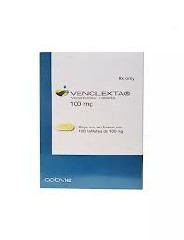
In a pivotal clinical study (the VEN-AZA study), researchers found that the combination of venetoclax and azacitidine improved overall response rates (The ORR () reached 66.4%, and the complete response rate (CR) reached 37%. These data compare favorably with traditional chemotherapy, especially in patients with poor tolerance to chemotherapy.
For elderlyAML patients, this combination therapy can not only prolong survival but also significantly improve quality of life. Usually, elderly patients are unable to withstand standard high-intensity chemotherapy due to limitations in physical function. As a milder but effective treatment option, the combination therapy of venetoclax and azacitidine can avoid the high toxicity of chemotherapy while achieving good clinical remission.
Adapt to the crowd
Venetoclax combined with azacitidine therapy is mainly targeted at patients who cannot receive standard chemotherapy, including those who are older or have other comorbiditiesAML patients. Elderly patients usually have poor tolerance, and traditional chemotherapy regimens may cause serious side effects. Therefore, venetoclax combined with azacitidine provides a safe option that can effectively control the disease.
In addition, this combination therapy showed a significant survival advantage for treatment-naïve patients or patients with refractory or relapsed AML, especially in high-risk groups. Through early intervention and continued maintenance treatment, many patients can achieve deep remission in the early stages of the disease.
Safety and Side Effects
Although the efficacy of venetoclax combined with azacitidine is remarkable, there are still certain side effects and risks during the treatment. The most common side effects include hematological toxicities such as neutropenia, anemia, and thrombocytopenia. These side effects are common in AML patients, so close monitoring is required during treatment, and dosage adjustment or supportive care is needed in a timely manner.
Tumor lysis syndrome (TLS) is an important risk of venetoclax, especially in the early stages of treatment, because the drug rapidly induces apoptosis of cancer cells, which may lead to a sharp increase in metabolites in the body, leading to serious complications such as renal failure. To avoid this, doctors usually use a gradually increasing dose regimen early in treatment and closely monitor patients' blood and kidney function indicators.
With the widespread promotion of venetoclax combined with azacitidine therapy in clinical application, more and more studies are devoted to optimizing this treatment regimen, especially in terms of dose adjustment and combination with other drugs, which may further improve the efficacy and reduce side effects.
[ 免责声明 ] 本页面内容来自公开渠道(如FDA官网、Drugs官网、原研药厂官网等),仅供持有医疗专业资质的人员用于医学药学研究参考,不构成任何治疗建议或药品推荐。所涉药品可能未在中国大陆获批上市,不适用于中国境内销售和使用。如需治疗,请咨询正规医疗机构。本站不提供药品销售或代购服务。


