
.jpeg)
The difference between erlotinib and afatinib
Although both erlotinib and afatinib are epidermal growth factor receptor (EGFR) tyrosine kinase inhibitors, their mechanisms of action are slightly different. Erlotinib prevents the growth and spread of tumor cells primarily by inhibiting the phosphorylation of EGFR, while afatinib is an irreversible EGFR and HER2 tyrosine kinase inhibitor that inhibits tumors by blocking signaling more broadly.
In terms of efficacy, the two show different effects on specific patient groups. According to clinical studies, both erlotinib and afatinib have demonstrated significant efficacy in patients with EGFR mutation-positive NSCLC. However, afatinib has shown higher objective response rates and longer progression-free survival in some studies. For example, in one study of first-line therapy, the median progression-free survival was longer in the afatinib group than in the erlotinib group.
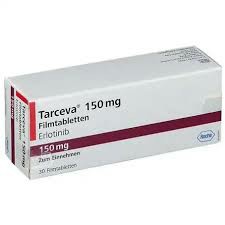
In terms of safety, both drugs exhibit certain side effects. Common side effects of erlotinib include rash, diarrhea, and abnormal liver function, while adverse reactions that afatinib may cause include diarrhea, skin reactions, stomatitis, and interstitial lung disease. It should be noted that afatinib may have more serious side effects in some aspects, such as a relatively higher incidence of interstitial lung disease. Therefore, when choosing a drug, doctors weigh it against the patient's specific circumstances and tolerance.
The applicable populations of erlotinib and afatinib are also different. Erlotinib is usually used for first-line or second-line treatment of patients with EGFR mutation-positive advanced NSCLC, while afatinib is more recommended for first-line treatment, especially For patients with specific EGFR mutations (such as L858R, Del19, etc.).
[ 免责声明 ] 本页面内容来自公开渠道(如FDA官网、Drugs官网、原研药厂官网等),仅供持有医疗专业资质的人员用于医学药学研究参考,不构成任何治疗建议或药品推荐。所涉药品可能未在中国大陆获批上市,不适用于中国境内销售和使用。如需治疗,请咨询正规医疗机构。本站不提供药品销售或代购服务。


