
.jpeg)
Analysis of the main differences between erlotinib and anlotinib
Erlotinib and anlotinib are two commonly used targeted drugs in tumor treatment. Each has its own unique mechanism of action, indications and side effects.
Erlotinib is an epidermal growth factor receptor (EGFR) tyrosine kinase inhibitor. It mainly inhibits the proliferation, migration and invasion of tumor cells by inhibiting the phosphorylation of EGFR and blocking the conduction of EGFR signaling pathway. EGFR is overexpressed in a variety of tumor cells, including non-small cell lung cancer, pancreatic cancer, etc., so erlotinib has a certain therapeutic effect on these tumors.
Anlotinib is a multi-target tyrosine kinase inhibitor that has anti-tumor angiogenesis and inhibitory effects on tumor growth. It can inhibit multiple receptor tyrosine kinases related to tumor growth and angiogenesis, such as VEGFR (vascular endothelial growth factor receptor), PDGFR (platelet-derived growth factor receptor), FGFR (fibroblast growth factor receptor), etc. By inhibiting the activity of these receptors, anlotinib can reduce the formation of new blood vessels in tumors and cut off the nutrient supply to tumors, thereby inhibiting tumor growth and metastasis.
Erlotinib is mainly used to treat patients with locally advanced or metastatic non-small cell lung cancer (NSCLC) who have sensitive mutations in the epidermal growth factor receptor (EGFR) gene. It is suitable for first-line treatment, maintenance treatment, or second-line and above treatment after progression of at least one previous chemotherapy. In addition, erlotinib can also be used to treat tumors that overexpress EGFR such as pancreatic cancer.
Anlotinib is mainly used to treat patients with locally advanced or metastatic non-small cell lung cancer who have progressed or relapsed after receiving at least two previous systemic chemotherapy. It is also indicated for the treatment of patients with alveolar soft tissue sarcoma, clear cell sarcoma, and other advanced soft tissue sarcomas that have progressed or relapsed after at least one prior anthracycline-containing chemotherapy regimen. In addition, anlotinib has shown potential in the treatment of various malignant tumors such as gastric cancer, colorectal cancer, and medullary thyroid cancer.
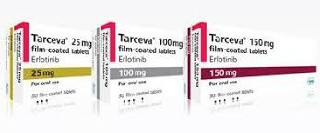
The main side effects of erlotinib include rash, diarrhea, digestive dysfunction, abnormal liver and kidney function tests, etc. Among them, rash is one of the most common side effects, usually manifesting as a mild acne-like rash, which can be relieved by symptomatic treatment in most patients. In addition, erlotinib may also cause serious side effects such as interstitial lung disease (ILD), which requires close monitoring and timely treatment.
The main side effects of anlotinib include bleeding, hypertension, myocardial ischemia, proteinuria, hand-foot syndrome, gastrointestinal reactions, gum and mouth swelling and pain, thyroid dysfunction, hyperlipidemia, etc. Among them, bleeding is one of the most important adverse reactions, which requires special attention to monitoring and timely treatment. Hypertension is the most common adverse reaction, and most patients can control blood pressure with antihypertensive drugs.
The recommended dose of erlotinib is 150mg/day, taken at least 1 hours before or 2 hours after eating. Continue treatment until disease progression or intolerable toxicity occurs. There is no evidence that patients benefit from continuing treatment after progression. For patients who need to adjust the dose, doctors will develop a personalized treatment plan based on the patient's specific situation and adverse reactions.
The recommended dose of anlotinib is 12 mg each time, 1 time orally before breakfast. Take the medicine continuously for 2 weeks and stop taking the medicine for 1 week, that is, 3 weeks (21 days) is a course of treatment. Until disease progression or intolerable adverse reactions occur. If a dose is missed during medication and it is confirmed that the time until the next dose is less than 12 hours, no more doses will be taken. For patients who need to adjust the dose, doctors will develop a personalized treatment plan based on the patient's specific situation and adverse reactions.
Erlotinib is mainly excreted via hepatic metabolism and biliary secretion. Therefore, you need to pay attention to interactions with other drugs when using erlotinib. For example, CYP3A4Strong inhibitors such as clarithromycin and ketoconazole may increase the plasma concentration of erlotinib, thereby increasing the risk of adverse reactions; while CYP3A4 inducers such as rifampicin may reduce the plasma concentration of erlotinib and affect its efficacy.
Anlotinib also needs to pay attention to its interactions with other drugs. For example, CYP1A2 and CYP3A4/5Strong inhibitors such as ciprofloxacin or ketoconazole may increase the plasma concentration of anlotinib, while inducers of CYP1A2 and CYP3A4/5 such as omeprazole or rifampicin may decrease the plasma concentration of anlotinib. Therefore, when using anlotinib, care should be taken to avoid concurrent use with these drugs or dosage adjustments should be made as necessary.
[ 免责声明 ] 本页面内容来自公开渠道(如FDA官网、Drugs官网、原研药厂官网等),仅供持有医疗专业资质的人员用于医学药学研究参考,不构成任何治疗建议或药品推荐。所涉药品可能未在中国大陆获批上市,不适用于中国境内销售和使用。如需治疗,请咨询正规医疗机构。本站不提供药品销售或代购服务。


