
.jpeg)
How effective is Erlotinib tablets in treating pancreatic cancer?
Erlotinib tablets (trade name: Tarceva/Tarceva) is an oral targeted therapy drug that mainly works by inhibiting the tyrosine kinase activity of epidermal growth factor receptor (EGFR). EGFR is overexpressed in a variety of tumor cells and plays an important role in the proliferation, survival, migration and invasion of tumor cells. Erlotinib tablets inhibit the proliferation and metastasis of tumor cells by blocking the EGFR signal transduction pathway. In addition, Erlotinib tablets also have a certain anti-angiogenic effect. By inhibiting the tyrosine kinase activity of VEGFR-2, it reduces the formation and perfusion of tumor blood vessels, further inhibiting the growth and metastasis of tumor cells.
Erlotinib tablets are mainly used to treat advanced non-small cell lung cancer and pancreatic cancer with sensitive mutations in the epidermal growth factor receptor (EGFR) tyrosine kinase gene. The recommended dose is 150 mg per day, taken at least one hour before or two hours after eating. Continue medication until disease progression or intolerable toxicity occurs.
An international multi-center clinical study shows that the combined use of erlotinib tablets and gemcitabine can significantly improve the survival rate and survival time of patients with advanced pancreatic cancer. Compared with patients treated with gemcitabine chemotherapy alone, the overall survival rate of patients treated with erlotinib tablets was significantly improved.
Erlotinib tablets may have certain efficacy in patients with pancreatic cancer whose EGFR is overexpressed. Since this type of pancreatic cancer relies on the EGFR signaling pathway to maintain survival, the use of erlotinib tablets can effectively inhibit tumor growth.
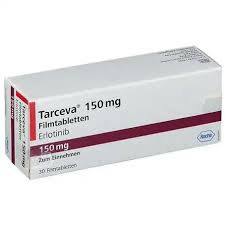
Erlotinib tablets combined with gemcitabine can significantly prolong overall survival and progression-free survival in patients with advanced pancreatic cancer. This is of great significance for improving patients' quality of life and prolonging survival time. Erlotinib tablets can relieve some symptoms of pancreatic cancer patients, such as pain, jaundice, etc. This helps improve patients' quality of life and reduce the pain of the disease.
Although some adverse reactions may occur during the use of erlotinib tablets, such as rash, diarrhea, hypoesthesia, etc., overall the adverse reactions are relatively mild and can be tolerated by most patients. Doctors will adjust the dose or take other supportive treatment measures to alleviate adverse reactions based on the patient's specific conditions.
Erlotinib tablets are mainly used to treat patients with pancreatic cancer whose EGFR is overexpressed. However, not all patients with pancreatic cancer have EGFR overexpression, so erlotinib tablets are not suitable for all patients with pancreatic cancer.
Long-term use of erlotinib tablets may cause patients to develop drug resistance, thus affecting the effectiveness of treatment. Doctors need to closely monitor changes in patients' conditions and adjust treatment plans as needed.
Different patients may respond differently to erlotinib tablets. Therefore, doctors need to fully consider the individual differences and specific conditions of patients when formulating treatment plans.
In summary, erlotinib tablets have certain clinical effects in the treatment of pancreatic cancer. It can extend patient survival, relieve symptoms and improve quality of life. However, its indications are limited and there may be problems such as drug resistance and individual differences. Therefore, when using erlotinib tablets to treat pancreatic cancer, doctors need to fully evaluate the patient's specific situation and formulate an optimal treatment plan. At the same time, patients also need to closely monitor changes in their condition and promptly report any discomfort or abnormal reactions to their doctors.
[ 免责声明 ] 本页面内容来自公开渠道(如FDA官网、Drugs官网、原研药厂官网等),仅供持有医疗专业资质的人员用于医学药学研究参考,不构成任何治疗建议或药品推荐。所涉药品可能未在中国大陆获批上市,不适用于中国境内销售和使用。如需治疗,请咨询正规医疗机构。本站不提供药品销售或代购服务。


