
.jpeg)
Which symptoms require discontinuation of venetoclax?
Venetoclax is an effective anti-cancer drug, but in some cases it can cause serious side effects and the drug must be stopped immediately to avoid further health risks. Knowing which symptoms warrant discontinuation of venetoclax can help patients and doctors take the necessary steps in a timely manner.
Tumor lysis syndrome is a critical complication that may occur early in venetoclax treatment, especially in patients with large tumor burden. Symptoms include nausea, vomiting, severe fatigue, difficulty breathing, muscle spasms, and irregular heartbeat. Tumor lysis syndrome may lead to acute kidney injury and electrolyte imbalance. Once these symptoms occur, the drug must be stopped immediately and emergency treatment must be performed, such as adding fluids, adjusting electrolyte levels, or using drugs to protect kidney function.
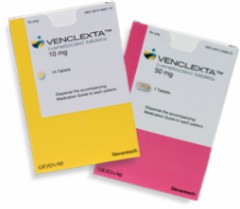
Venetoclax may cause a significant decrease in neutrophils, increasing the risk of infection, especially when neutrophil counts fall to very low levels (usually less than 500 cells/µL). Patients may exhibit fever, chills, cough, or other signs of infection. When severe neutropenia occurs, venetoclax needs to be discontinued immediately and appropriate supportive care should be given, such as antibiotics or drugs that stimulate neutrophil production.
Venetoclax can also cause thrombocytopenia and increase the risk of bleeding. Symptoms include easy bruising, bleeding gums, nosebleeds, or other bleeding that is difficult to control. If the platelet count is too low or the patient experiences significant bleeding, the medication should be stopped immediately and blood monitoring and appropriate interventions should be performed, such as blood transfusions or medications to promote platelet production.
Although rare, venetoclax may cause a serious allergic reaction. Allergy symptoms include rash, itching, swelling of the face or throat, and even difficulty breathing or shock. If patients develop these symptoms, they must stop taking the drug immediately and seek medical advice as soon as possible to use anti-allergic drugs or other first-aid treatments to control symptoms and prevent further allergic reactions.
During treatment, venetoclax may affect liver function, manifesting as significant abnormalities in liver function indicators, such as increased transaminases or increased bilirubin levels. Patients may experience symptoms of liver dysfunction such as jaundice, dark urine, nausea, or fatigue. If serious liver function abnormalities are detected, venetoclax needs to be discontinued immediately and detailed liver function evaluation and supportive treatment should be performed.
[ 免责声明 ] 本页面内容来自公开渠道(如FDA官网、Drugs官网、原研药厂官网等),仅供持有医疗专业资质的人员用于医学药学研究参考,不构成任何治疗建议或药品推荐。所涉药品可能未在中国大陆获批上市,不适用于中国境内销售和使用。如需治疗,请咨询正规医疗机构。本站不提供药品销售或代购服务。


